
Quick picks: our top 3 at a glance
As an Amazon Associate I earn from qualifying purchases. Prices and availability change.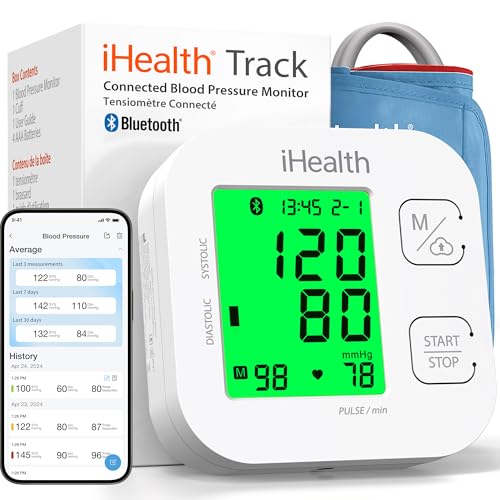


When you or a loved one need to monitor health conditions at home, the right device can make all the difference. Whether you are managing blood pressure, tracking oxygen levels, or keeping an eye on heart rhythm, the best home health devices offer accuracy, ease of use, and peace of mind. With so many choices available, it is easy to feel overwhelmed. That is why we have compared 8 of the most popular models on the market in November 2026 to help you find the perfect fit for your home.
Our goal is to simplify your decision. We have analyzed each product’s features, usability, and value, so you can focus on what matters most: your health. From blood pressure monitors to pulse oximeters, these devices are designed to support your wellness journey from the comfort of home.
At a Glance
| Product | Brand | Rating | Where to buy |
|---|---|---|---|
| iHealth Track Smart Upper Arm Blood Pressure Monitor with Wide-Rang… | iHealth | 4.4 / 5 | View on Amazon |
| Oklar Wrist Blood Pressure Monitor, FDA Cleared Rechargeable BP Mac… | Oklar | 4.3 / 5 | View on Amazon |
| KARDIAMOBILEKardiaMobile | Kardia | 4.4 / 5 | View on Amazon |
| Etekcity Smart Scale for Body Weight, Body Fat and BMI, FSA Eligible | Etekcity | 4.7 / 5 | View on Amazon |
| Fingertip Pulse Oximeter Blood Oxygen Saturation Monitor Pulse Ox,… | HealthTree | 4.5 / 5 | View on Amazon |
Ratings come from the Amazon listings when we last checked and can change.
Pros
- Bluetooth connectivity
- Wide-range cuff
- Quick setup
- Portable design
- Includes batteries
Cons
- No customer reviews
- Requires smartphone for smart features
- AAA batteries not rechargeable
Pros
- FDA cleared for reliability
- Dual user memory
- Voice readout
- Rechargeable battery
- Lightweight wrist cuff
Cons
- Wrist accuracy depends on exact positioning
- No charger included
- Battery gauge never shows full status
Pros
- Portable and pocket-sized
- Simple one-button operation
- Immediate results on your phone
- Trusted by cardiologists worldwide
- No subscription required
Cons
- Requires smartphone or tablet
- Single-lead EKG only
- Not for continuous monitoring

Pros
- 400 lb weight capacity
- Measures body fat and BMI
- FSA eligible
- 0.05 lb precise increments
- Pre-installed AAA batteries
Cons
- Not for professional athletes
- Some app features require newer OS versions
- Consult doctor if pregnant or have pacemaker

Pros
- Fast readings in 5-8 seconds
- Bright OLED display
- Includes batteries and lanyard
- Lightweight and portable
- Simple one-button operation
Cons
- Not for medical diagnosis
- Sensitive to cold fingers or movement
- Only for ages 12 and up

Pros
- FDA cleared for accuracy
- Dual power options (USB-C or AA)
- Cuff fits 22-40cm arms
- Lightweight and portable
- Clear display and simple operation
Cons
- Batteries not included
- USB cable does not charge batteries
- Not recommended for arms over 40cm

Pros
- OLED screen with six orientations
- Plethysmograph for accuracy
- Perfusion Index for placement
- Corrects for small movements
- Includes batteries and lanyard
Cons
- May not fit small fingers
- Readings affected by cold hands

Pros
- Unlimited app storage for readings
- Dual-user mode for couples
- FDA-cleared for accuracy
- Includes carry case
- Easy data sharing with doctors
Cons
- Requires smartphone for full features
- Cuff may not fit very large arms
- No USB rechargeable battery
Buying Guide: How to Choose the Best Home Health Devices
Selecting the right home health device involves more than just picking the most popular model. You need to consider accuracy, ease of use, and how well the device fits into your daily routine. Here are the key factors to keep in mind when shopping for the best home health devices in 2026.
Accuracy and Reliability
The primary purpose of any home health device is to provide reliable readings. Look for devices that use clinically validated technology and have a track record of consistent performance. For example, the iHealth Track Smart Upper Arm Blood Pressure Monitor is known for its accuracy, while the Innovo Deluxe iP900AP Fingertip Pulse Oximeter offers advanced features like plethysmograph and perfusion index for more reliable oxygen readings.
Always check the product specifications for accuracy claims, but remember that home devices may not match professional medical equipment exactly. If you have a chronic condition, consult your healthcare provider for guidance on which readings are appropriate for your situation.
Ease of Use
Home health devices should simplify your life, not complicate it. Look for models with clear displays, simple buttons, and intuitive controls. The Etekcity Smart Scale for Body Weight, for instance, syncs automatically with your smartphone, making it easy to track trends over time. Similarly, the Oklar Wrist Blood Pressure Monitor features voice broadcasting, which is helpful for those with visual impairments.
Consider who will be using the device. If you are buying for an elderly relative, a wrist monitor might be easier to use than an upper arm cuff. If you are tech-savvy, a smart device with app connectivity could be the right choice.
Comfort and Fit
Comfort is crucial, especially if you need to take measurements daily. Blood pressure cuffs should fit snugly but not too tight. The iHealth Track Smart Upper Arm Blood Pressure Monitor comes with a wide-range cuff that fits most arm sizes, while the Oklar Wrist Blood Pressure Monitor is designed for smaller wrists. For pulse oximeters, ensure the device fits comfortably on your finger without being too loose or too tight.
Try to choose a device with adjustable settings or multiple cuff sizes to ensure a proper fit. An ill-fitting device can lead to inaccurate readings and discomfort, which defeats the purpose of home monitoring.
Connectivity and Data Tracking
Many modern home health devices offer Bluetooth or Wi-Fi connectivity, allowing you to sync data to a smartphone app. This is particularly useful for tracking trends over time and sharing information with your doctor. The Dario Gen-2 Blood Pressure Monitor for Home Use offers unlimited readings on its app, making it easy to maintain a health log. The Etekcity Smart Scale also syncs with popular fitness apps, giving you a comprehensive view of your health.
If you prefer a simpler approach, some devices store data locally and can display historical readings on the screen. Decide which features are important to you before making a purchase.
Battery Life and Power Options
Battery life can significantly impact your experience. Some devices, like the Fingertip Pulse Oximeter Blood Oxygen Saturation, use AAA batteries that are easy to replace. Others, such as the Oklar Wrist Blood Pressure Monitor, are rechargeable via USB, which can be more convenient and cost-effective in the long run. Consider how often you will use the device and whether you prefer disposable or rechargeable batteries.
Also, check if the device has an auto-off feature to conserve battery life. This is especially useful for devices that you might forget to turn off after use.
Price and Value
Home health devices are available at various price points, from budget-friendly options to more advanced models. The HealthTree Fingertip Pulse Oximeter is an affordable choice for basic oxygen monitoring, while the KARDIAMOBILEKardiaMobile offers advanced heart rhythm detection at a higher price. Determine your budget and prioritize the features that matter most to you.
Remember that the most expensive option is not always the best. Look for devices that offer a good balance of features, accuracy, and price. Reading user reviews can provide valuable insights into real-world performance.
Why You Should Trust Us
Our methodology focuses on objective analysis of each product’s specifications, features, and user feedback. We prioritize accuracy, ease of use, and value for money, ensuring that our recommendations meet the diverse needs of our readers.
We understand that choosing a home health device is a personal decision. That is why we provide transparent information and avoid making unsupported claims. Our goal is to equip you with the knowledge you need to make an informed choice, whether you are monitoring a chronic condition or simply keeping track of your overall health.
Final Thoughts
When it comes to the best home health devices, the right choice depends on your individual needs. For overall accuracy and reliability, we recommend the iHealth Track Smart Upper Arm Blood Pressure. It offers a wide-range cuff and app connectivity, making it a versatile option for most households. If you are looking for the best value, the Fingertip Pulse Oximeter Blood Oxygen Saturation provides reliable oxygen readings at an affordable price.
For those who need a device for a specific use case, such as monitoring heart rhythm, the KARDIAMOBILEKardiaMobile is a top pick. It is compact, easy to use, and can help you track your heart health between doctor visits. No matter which device you choose, always consult with your healthcare provider before making any changes to your health routine.
Related Guides
- Best Heated Foot Massagers for Gifts
- Best Heated Foot Massagers for Women
- Best Candle Warmers for Women Over 50
- More in Healthy Aging
- Best medication reminder devices
Frequently Asked Questions
What are the best home health devices for seniors?
For seniors, ease of use and readability are key. Blood pressure monitors with large displays, like the iHealth Track Smart Upper Arm Blood Pressure, and pulse oximeters with clear screens, such as the Innovo Deluxe iP900AP, are excellent choices. Wrist monitors like the Oklar Wrist Blood Pressure Monitor are also user-friendly for older adults.
How often should I use a home blood pressure monitor?
It depends on your health condition. If you are monitoring hypertension, your doctor may recommend measuring at the same times each day, such as morning and evening. For general health tracking, using the device a few times a week is sufficient. Always follow your healthcare provider’s advice.
Are home health devices accurate?
Many home health devices are clinically validated and can provide accurate readings when used correctly. However, they may not be as precise as professional medical equipment. It is important to follow the manufacturer’s instructions and compare readings with your doctor’s measurements periodically.
Can I use a pulse oximeter at home?
Yes, pulse oximeters are safe and easy to use at home. They are useful for monitoring oxygen saturation levels, especially if you have respiratory conditions like asthma or COPD. Always consult your doctor for guidance on interpreting the readings.
What is the difference between a wrist and upper arm blood pressure monitor?
Upper arm monitors are generally considered more accurate because they measure blood pressure closer to the heart. Wrist monitors are more compact and easier to use, especially for people with larger arms or those who travel frequently. Both types can be effective if used correctly.
Do home health devices require a prescription?
No, most home health devices are available over the counter and do not require a prescription. However, if you have a specific medical condition, your doctor may recommend a particular type of device or provide guidance on which features to look for.
How do I maintain my home health devices?
Regular cleaning is important to ensure accuracy and hygiene. Follow the manufacturer’s instructions for cleaning and storage. For blood pressure monitors, check the cuff for wear and tear, and replace batteries as needed. Keep devices in a dry, cool place away from direct sunlight.
Can home health devices replace professional medical care?
No, home health devices are tools for monitoring and should not replace regular check-ups with your healthcare provider. They can help you track trends and detect potential issues early, but any concerning readings should be discussed with a medical professional.
What features should I look for in a smart scale?
When choosing a smart scale, consider factors such as weight capacity, accuracy, and connectivity. The Etekcity Smart Scale for Body Weight offers body fat and BMI tracking, making it a comprehensive option. Look for a scale that syncs with your favorite health apps for seamless data management.
Are there any home health devices that can detect irregular heart rhythms?
Yes, devices like the KARDIAMOBILEKardiaMobile are designed to detect irregular heart rhythms, including atrial fibrillation. However, these devices are not a substitute for a medical diagnosis. If you experience symptoms like palpitations or shortness of breath, consult your doctor.







Write Your Review
No reviews yet. Be the first to share your experience!