
Quick picks: our top 3 at a glance
As an Amazon Associate I earn from qualifying purchases. Prices and availability change.


Foot pain can turn every step into a reminder of discomfort. Whether you stand all day at work, log miles on the trail, or simply want more support in your everyday shoes, the right orthotic insoles can help. But with so many options on the market, it’s hard to know which ones actually deliver. That’s where we come in. We’ve analyzed 8 popular orthotic insoles from trusted brands like PowerStepShoeInsoles, Superfeet, DrScholls and more to bring you a clear, no-nonsense guide to the best orthotic insoles of 2026.
Our goal is to help you find a pair that fits your feet, your shoes, and your lifestyle. We’ve looked at arch support, material quality, and the specific conditions each insole is designed for. Whether you need heavy-duty support for a larger frame or a slim profile for dress shoes, this guide will point you in the right direction.
At a Glance
| Product | Brand | Rating | Where to buy |
|---|---|---|---|
| WalkHero Plantar Fasciitis Insoles, Arch Support Inserts for Pain R… | WALK·HEROCOMFORTANDSUPPORT | 4.3 / 5 | View on Amazon |
| PowerStep Pinnacle Insoles, Plantar Fasciitis Relief (M 10-10.5, W… | PowerStepShoeInsoles | 4.5 / 5 | View on Amazon |
| WalkHero 220+lbs Pain Relief Insoles, High Arch Support Inserts Wom… | WALK·HEROCOMFORTANDSUPPORT | 4.3 / 5 | View on Amazon |
| VALSOLE Heavy Duty Support Pain Relief Orthotics – 220+ lbs Plantar… | VALSOLE | 4.3 / 5 | View on Amazon |
| Dr. Scholl's Heavy Duty Support Insole Orthotics, Big & Tall, 200lb… | DrScholls | 4.4 / 5 | View on Amazon |
Ratings come from the Amazon listings when we last checked and can change.
Pros
- 13 sizes, no trimming needed
- Deep heel cup for shock absorption
- Semi-rigid arch support
- Suitable for multiple foot conditions
- Long-lasting durability (2+ years)
Cons
- Not machine washable
- Not for narrow shoes (football, cycling)
- Requires removal of existing insoles
Pros
- Podiatrist recommended
- Semi-rigid arch support
- Premium shock-absorbing cushioning
- APMA accepted
- Reduces pronation-related pain
Cons
- Requires break-in period
- Not suitable for high arches
- Must remove shoe's original insole
Pros
- Supports up to 220+ lbs
- Deep heel cup corrects overpronation
- Firm arch support resists collapse
- 12 sizes, no trimming needed
- Good for all-day standing
Cons
- Requires break-in period
- Firmer than soft foam inserts
Pros
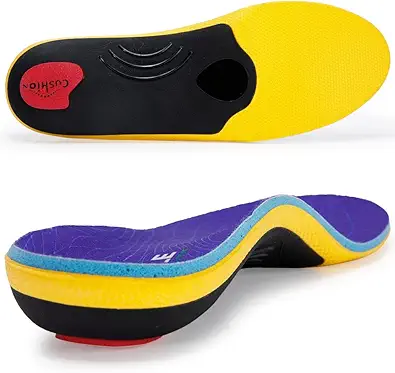
- Excellent heavy-duty arch support
- Effective shock absorption for joints
- Deep heel cup enhances stability
- Breathable and cushioned for long wear
- Versatile fit for various shoe types
Cons
- Requires break-in period for comfort
- Not suitable for formal or tight shoes
- May feel rigid initially for some users

Pros
- Clinically proven back pain relief
- Extra heel cushioning for shock
- Trim-to-fit for custom sizing
- Designed for wide feet and big frames
- All-day comfort and support
Cons
- Not suitable for narrow feet
- May be too thick for dress shoes
- Only for men's sizes 8-14


Pros
- Clinically proven heel pain relief
- All-day comfort for plantar fasciitis
- Helps prevent symptom recurrence
- Engineered arch support
- Specifically designed for men
Cons
- Men's sizing only
- Specific to plantar fasciitis

Choosing orthotic insoles isn’t just about picking the most expensive pair. You need to consider your foot type, the shoes you’ll wear them in, and the kind of support your body craves. Here are the key factors to weigh before you buy.
Arch Support Type
Your arch is the foundation of your foot, and the right support can make a world of difference. Some insoles offer a neutral arch, while others are designed specifically for high arches or flat feet. For example, the PowerStep Pinnacle Maxx Orthotic Insoles feature a firm, angled heel and a supportive arch shape that cradles the foot, which can be helpful for overpronation. If you have high arches, look for insoles like the Superfeet All-Purpose High Arch Support Insoles that provide a higher, more pronounced arch contour.
Consider your foot’s natural alignment. If you tend to overpronate, a firmer shell and deeper heel cup can help stabilize your foot. If you have a neutral gait, a more flexible insole may be more comfortable for everyday wear.
Material and Cushioning
The materials used in an insole affect both comfort and durability. Many orthotic insoles combine a rigid base with a cushioned top layer. For instance, the Dr. Scholl’s Heavy Duty Support Insole Orthotics are engineered with extra cushioning around the heel to absorb shock, which can be beneficial if you spend long hours on your feet. Look for materials that offer a balance of firm support and plush comfort, so your feet feel supported without feeling like they’re resting on a brick.
Breathability is another factor, especially if you wear your insoles for long periods. Some insoles feature moisture-wicking fabrics that help keep your feet dry and comfortable.
Foot Condition Specifics
Different insoles target different problems. If you’re dealing with plantar fasciitis, you’ll want an insole that provides firm arch support and deep heel cushioning to ease the strain on the plantar fascia. The Dr. Scholl’s Plantar Fasciitis Relief Orthotic is specifically designed for this purpose, with a deep heel cup and targeted support. For those who are heavier or have wide feet, heavy-duty options like the VALSOLE Heavy Duty Support Pain Relief Orthotics are built to handle extra weight and provide more substantial support.
Know your specific needs before you buy. If you have a diagnosed condition, it’s always a good idea to consult with a healthcare professional for personalized advice.
Fit and Trimability
Not all insoles fit all shoes. Some are designed to be trimmed to size, which is handy if you wear a half size or have narrower shoes. The WalkHero Plantar Fasciitis Insoles come in 13 sizes and can be trimmed along the outline if needed. Check whether the insole is meant to be used as a full-length insert or a 3/4-length, as this can affect how it fits in your shoes.
Also, consider the thickness of the insole. Thicker insoles may provide more cushioning, but they can make your shoes feel tighter. If you plan to use them in dress shoes or athletic sneakers, look for a profile that won’t compromise the fit of your footwear.
Durability and Longevity
Orthotic insoles are an investment in your comfort, so you want them to last. Look for insoles made from high-quality materials that can withstand daily wear and tear. The PowerStep Pinnacle Insoles feature a firm shell and a supportive arch design that’s built to hold up over time. Some insoles come with a warranty or guarantee, which can give you extra peace of mind.
Keep in mind that even the most durable insoles will eventually need to be replaced. If you notice that the cushioning has flattened or the arch support has weakened, it’s time for a new pair.
Why You Should Trust Us
We know that choosing the right orthotic insole can feel overwhelming. That’s why we’ve done the legwork for you. We carefully analyzed the specifications and features of 8 leading orthotic insoles, comparing their arch support, materials, and design. Our goal is to provide objective, data-driven information that helps you make an informed decision based on your unique needs.
We don’t just list products; we break down what makes each one stand out. We consider the target user, the intended use case, and the value each insole offers. Our recommendations are based on a thorough review of the product data, not on hype or marketing claims. We also prioritize transparency, so you know exactly what we looked at and why we recommend what we do.
Final Thoughts
After reviewing 8 orthotic insoles, we’ve found that the PowerStep Pinnacle Maxx Orthotic Insoles stand out as the best overall choice. They offer a firm, supportive shell and a new, firmer arch design that provides excellent stability, especially for those with flat feet or overpronation. The angled heel helps with alignment, and the overall construction feels substantial and durable. If you’re looking for maximum support and are willing to invest a bit more, these are the ones to beat.
For budget-conscious shoppers, the Dr. Scholl’s Heavy Duty Support Insole Orthotics are an excellent value. Priced affordably, they provide solid arch support and shock absorption, making them a great pick for men over 200 pounds or those who need a bit more cushioning in their work boots. They’re a practical, no-frills option that gets the job done without breaking the bank.
If you’re specifically dealing with plantar fasciitis, the Dr. Scholl’s Plantar Fasciitis Relief Orthotic is designed with that condition in mind. Its deep heel cup and targeted arch support can help ease the pain associated with plantar fasciitis, and it’s an affordable choice for targeted relief. Whatever your needs, there’s an orthotic insole on this list that can help you walk more comfortably.
Frequently Asked Questions
How do I know if I need orthotic insoles?
If you experience foot pain, especially in your arches or heels, or if you notice excessive wear on your shoes, orthotic insoles may help. They can provide additional support and cushioning, which may ease discomfort. It’s always a good idea to consult a healthcare professional if you have persistent pain.
Can orthotic insoles be used in any type of shoe?
Most orthotic insoles are designed to fit in a variety of shoes, but you should always check the fit. Some are full-length, while others are 3/4-length, and some can be trimmed to size. For example, the WalkHero Plantar Fasciitis Insoles offer 13 sizes and can be trimmed for a custom fit. Thicker insoles may not fit well in tight shoes.
How long do orthotic insoles last?
The lifespan of orthotic insoles depends on the quality and how often you use them. Generally, you can expect them to last anywhere from 6 months to a year with regular use. If you notice the cushioning flattening or the arch support weakening, it’s time to replace them.
Are orthotic insoles covered by insurance?
It depends on your insurance plan and whether you have a prescription. Some plans may cover custom orthotics, but over-the-counter insoles are typically not covered. Check with your insurance provider for details.
Can I use orthotic insoles for running?
Yes, many orthotic insoles are suitable for running, as they provide additional support and shock absorption. Look for insoles that are designed for athletic use and fit well in your running shoes. The PowerStep Pinnacle Maxx, for example, offers firm support that may benefit runners who overpronate.
How do I break in new orthotic insoles?
Start by wearing your new insoles for a few hours each day and gradually increase the wear time. This allows your feet to adjust to the new support. Some insoles, like the WalkHero 220+lbs Pain Relief Insoles, recommend starting with 2-3 hours a day and building up.
What is the difference between orthotic insoles and regular insoles?
Orthotic insoles are designed to provide more structural support and correct foot alignment, whereas regular insoles primarily offer cushioning. Orthotics often have a firmer shell, deeper heel cup, and more pronounced arch support, which can help with specific foot issues.
Can orthotic insoles help with back pain?
Some people find that orthotic insoles can help with back pain by improving foot alignment and reducing the strain on the lower body. The Dr. Scholl’s Heavy Duty Support Insole Orthotics are specifically designed for men who suffer from lower back pain and leg fatigue. However, results vary, and it’s important to address the root cause of your back pain.
Are there orthotic insoles for high arches?
Yes, the Superfeet All-Purpose High Arch Support Insoles are specifically designed for high arches. They provide a higher arch contour to support your foot’s natural shape. Look for insoles that mention high arch support if you have high arches.
What are the best orthotic insoles for plantar fasciitis in 2026?
For plantar fasciitis, the Dr. Scholl’s Plantar Fasciitis Relief Orthotic is a popular choice, as it’s designed to target the heel pain associated with this condition. The PowerStep Pinnacle Maxx also offers firm support that may help. Always consult with a healthcare professional for personalized advice.




Write Your Review
No reviews yet. Be the first to share your experience!