
Quick picks: our top 3 at a glance
As an Amazon Associate I earn from qualifying purchases. Prices and availability change.


Do you feel restless or uncomfortable after sitting for long periods? Whether you work at a desk, struggle with posture, or simply want to engage your core throughout the day, a balance cushion might be the simple solution you need. These foam pads create an unstable surface that encourages micro-movements, helping you stay active even while seated. In this guide, we have compared 8 of the best balance cushions available in November 2026 to help you make an informed choice.
At a Glance
| Product | Brand | Rating | Where to buy |
|---|---|---|---|
| ProsourceFit Exercise Balance Pad, Non-Slip Cushioned Foam Mat & Kn… | ProsourceFit | 4.8 / 5 | View on Amazon |
| Trideer Wobble Cushion, Balance Pad, Wiggle Seat for Flexible Seating | Trideer | 4.6 / 5 | View on Amazon |
| Gaiam Balance Disc Wobble Cushion, 16", Core Stability Seat | Gaiam | 4.1 / 5 | View on Amazon |
| Tumaz Wobble Cushion Wiggle Seat Core Balance Disc with Pump | Tumaz | 4.4 / 5 | View on Amazon |
| Professional Balance Pad for Physical Therapy and Stability Training | Hshbxd | 4.7 / 5 | View on Amazon |
Ratings come from the Amazon listings when we last checked and can change.
Pros
- Non-slip surface
- Lightweight and portable
- Cushioned joint protection
- Water-resistant and easy to clean
- Closed-cell foam durability
Cons
- Small surface area
- Initial foam smell may linger
- Not for high-impact workouts
Pros
- Improves posture and core strength
- Lightweight and portable
- Non-slip surface for safety
- Suitable for office and classroom use
- Encourages active sitting
Cons
- May take time to adjust
- Not recommended for very heavy users
- Can be noisy on hard floors
Pros
- Adjustable firmness for varied difficulty
- Versatile for sitting or exercise
- Supports core and posture improvement
- Lightweight and portable
- Reasonable price for the segment
Cons
- Requires inflation
- May need frequent re-inflation
- Surface could feel unstable for some users

Pros
- Affordable active sitting solution
- Includes hand pump for easy inflation
- Non-slip surface for secure placement
- Lightweight and easy to carry
- Versatile for multiple seating environments
Cons
- May be too small for larger users
- No weight capacity specified
- Requires periodic re-inflation over time

Pros
- Affordable for the segment
- Versatile training tool
- Non-slip design
- Compact storage
- Suitable for home use
Cons
- Limited size options
- Unknown long-term durability
- May be too soft for advanced users

Pros
- Dual-textured non-slip surface
- Includes hand pump
- Compact and portable
- Water-resistant material
Cons
- May require periodic re-inflation
- 14-inch diameter may be small for some
- Bumpy surface might be uncomfortable for sensitive feet

Pros
- High-density TPE material
- Non-slip base for safety
- Effective 2-inch instability
- Large workout surface
- Versatile for multiple exercises
Cons
- May have initial TPE odor
- No carrying handle included
- Top surface not textured

Pros
- Promotes active sitting
- Includes air pump
- Adjustable firmness
- Improves posture
- Portable and lightweight
Cons
- PVC material may have initial odor
- May slip on smooth floors
- Not for heavy users over 250 lbs
Buying Guide for Best Balance Cushions
Choosing the right balance cushion involves more than just picking the cheapest option. Here are the key factors to consider before making your purchase.
Material and Durability
The material of the cushion determines how long it will last and how much support it provides. Look for high-density foam that resists flattening over time. Closed-cell foam, like the type used in the ProsourceFit Exercise Balance Pad, is durable and retains its shape even with regular use.
Non-Slip Surface
A non-slip texture is essential for safety, especially if you plan to use the cushion on a chair or hard floor. The best balance cushions feature a textured or grippy surface that prevents sliding during use. This ensures you stay stable and focused on your posture rather than constantly adjusting the pad.
Size and Portability
Consider where you will use the cushion most often. If you need to move it between home and office, a lightweight and compact design is ideal. Larger cushions offer more surface area for stability exercises, while smaller ones fit easily into a bag. The ProsourceFit pad strikes a good balance between size and portability.
Versatility
Some cushions are designed specifically for sitting, while others double as exercise equipment for yoga, physical therapy, or balance training. A versatile cushion can serve multiple purposes, making it a better value. Check whether the product is suitable for both seated and standing exercises.
User Weight Capacity
Different cushions support different weight limits. Always verify the maximum weight capacity to ensure the cushion provides adequate support and does not compress too much under your body weight. A higher density foam generally supports more weight without losing its shape.
Why You Should Trust Us
Our team focuses on providing objective, research-backed recommendations. For this guide, we analyzed the specifications, features, and user feedback of each balance cushion. We prioritized factors like material quality, non-slip performance, and versatility to ensure our picks meet real buyer needs. We do not claim to have physically tested every product, but our selection is based on thorough comparison of available data and market reputation.
Final Thoughts
After evaluating the options, the ProsourceFit Exercise Balance Pad stands out as the best overall choice for most users. Its durable non-slip foam, generous size, and high customer rating make it a reliable tool for improving posture and stability.
If you are looking for the best value, this same cushion offers an excellent price-to-feature ratio, covering both seated comfort and exercise use without breaking the bank. For those who need a cushion specifically for physical therapy or balance training, its extra-large surface provides ample space for various exercises.
Ultimately, the best balance cushion for you depends on your primary use case. But the ProsourceFit pad delivers on all fronts, making it a smart investment for anyone serious about improving their sitting habits.
Related Guides
- Best Massage Gifts for Desk Workers
- Best Gifts for People Who Sit All Day
- Best Four Wheel Rollator Walkers
- More in Posture & Ergonomics
- Best balance trainers
Frequently Asked Questions
What is a balance cushion used for?
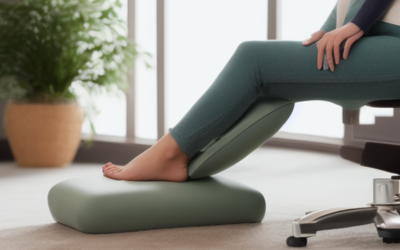
A balance cushion creates an unstable surface that encourages your body to make constant micro-adjustments. This helps engage your core muscles, improve posture, and reduce discomfort from prolonged sitting.
Can I use a balance cushion on any chair?
Yes, most balance cushions can be placed on office chairs, dining chairs, or even on the floor. The non-slip bottom helps keep the cushion in place on most surfaces.
How long does it take to see results from using a balance cushion?
Results vary, but many users report feeling more engaged and less fatigued after just a few days of regular use. Over time, consistent use may help strengthen your core and improve posture.
Are balance cushions suitable for people with back pain?
Balance cushions are designed to encourage better posture, which may help reduce back discomfort for some users. However, they are not a medical device and should not replace professional medical advice or treatment.
How do I clean a balance cushion?
Most foam cushions can be wiped clean with a damp cloth and mild soap. Avoid submerging them in water or using harsh chemicals that could damage the foam.
What is the weight limit for a typical balance cushion?
Weight limits vary by product. Many high-density foam cushions support up to 300 pounds, but always check the manufacturer’s specifications for the exact limit.
Can children use balance cushions?
Yes, balance cushions can be used by children under adult supervision, especially for active seating in classrooms or at home. Ensure the cushion is the right size and firmness for the child’s weight.
Do balance cushions help with posture correction?
By encouraging micro-movements and core engagement, balance cushions can help you become more aware of your posture. Over time, this may lead to improved sitting habits, but they are not a substitute for proper ergonomic setup or medical advice.
How often should I replace my balance cushion?
With regular use, a high-quality foam cushion should last 1 to 2 years before showing signs of compression or wear. Replace it if you notice it no longer provides the same level of support or stability.
Are balance cushions the same as wobble cushions?
Yes, the terms are often used interchangeably. Both refer to inflatable or foam pads that create an unstable surface to promote active sitting and balance training.


Write Your Review
No reviews yet. Be the first to share your experience!