
Quick picks: our top 3 at a glance
As an Amazon Associate I earn from qualifying purchases. Prices and availability change.


If you spend hours hunched over a computer or staring at your phone, you know the struggle of poor posture. It can cause nagging back pain, tension in your shoulders, and even headaches. Finding the right support can make a real difference. We have analyzed the top models to bring you a focused comparison of the best posture correctors, helping you choose the one that fits your lifestyle and needs.
At a Glance
Ratings come from the Amazon listings when we last checked and can change.
Pros
- Unisex adjustable design
- Lightweight and breathable
- Comfortable for extended wear
- Affordable price point
- Easy to use and adjust
Cons
- Limited size range for larger frames
- May require break-in period
- No included usage instructions
Pros
- Adjustable fit for custom support
- Breathable and comfortable material
- Ergonomic design for posture correction
- Discreet under clothing
- Easy to put on and take off
Cons
- One size may not fit all body types
- Hand wash only, no machine wash
- Requires gradual adaptation period
Pros
- Comprehensive back coverage
- Affordable posture solution
- Unisex design
- Targets multiple pain points
- Upgraded version
Cons
- Only one size available
- No customer reviews yet
- Limited product details

Pros
- Adjustable fit
- Pain relief for upper back
- Durable material
- Affordable price
- Unisex design
Cons
- Initial discomfort during adjustment
- Visible under thin clothing
- Straps may require readjustment

Pros
- Comfortable fit
- Adjustable support
- Discreet under clothing
- Versatile use
- Lightweight and breathable
Cons
- May not fit all body types
- Limited adjustability range
- Requires consistent use for results
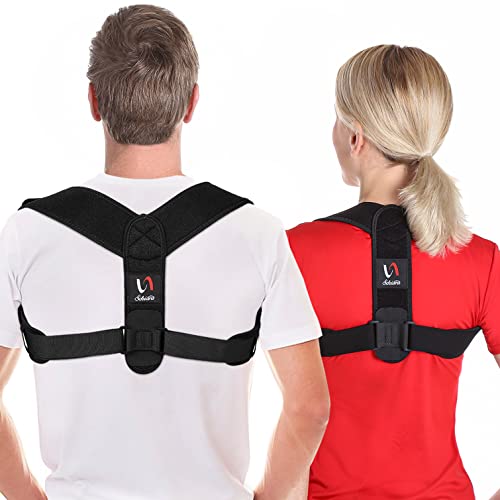
Pros
- Adjustable straps for personalized fit
- Comfortable for extended wear
- Targets back, shoulders, and neck
- Easy to wear under clothing
- Lightweight and breathable material
Cons
- May require break-in period
- Not suitable for severe posture issues
- Straps may loosen over time

Pros
- Breathable mesh material
- Adjustable and comfortable fit
- Targeted pain relief for back and neck
- Suitable for men and women
- Corrects scoliosis and hunchback
Cons
- May require break-in period
- Limited sizing information available
- Mesh can show wear over time
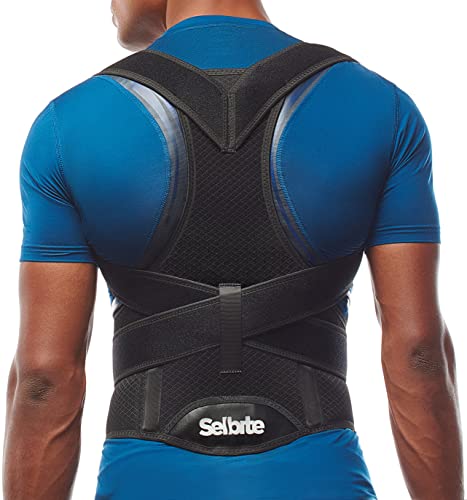
Pros
- Full back support brace
- Adjustable unisex fit
- Comfortable for daily use
- Simple to adjust and wear
Cons
- Limited customer feedback
- May need sizing adjustments
- Could feel restrictive at first
Buying Guide: How to Choose the Best Posture Correctors
Choosing the right posture corrector depends on your specific needs, from the type of support you require to the material and adjustability. Here are the key factors to consider when shopping for the best posture correctors.
1. Type of Support
Posture correctors come in various designs, including braces, straps, and shirts. A brace typically offers more rigid support, pulling your shoulders back and aligning your spine. Straps are often simpler and more discreet, while shirts provide gentle reminders. Consider how much correction you need and when you plan to wear it.
2. Material and Breathability
Since you may wear a posture corrector for several hours, the material matters. Look for breathable, moisture-wicking fabrics like neoprene or cotton blends. These help prevent overheating and irritation, especially during extended use or in warmer climates.
3. Adjustability and Fit
A proper fit is crucial for effectiveness and comfort. The best posture correctors offer adjustable straps or bands to customize the level of tension and support. Ensure the product comes in multiple sizes or has a wide adjustment range to fit your body type.
4. Comfort and Discreetness
If you plan to wear your corrector under clothing, comfort and discreetness are key. Look for padded straps and designs that won’t dig into your skin. Some models are slim enough to be worn under a shirt without being noticeable, making them ideal for office or daily use.
5. Ease of Use
You want a posture corrector that is easy to put on and take off by yourself. Complicated straps or buckles can be frustrating. Look for designs with simple closures or step-in styles that make daily use hassle-free.
Why You Should Trust Us
We understand that choosing a posture corrector is a personal decision based on comfort, support, and durability. Our team carefully analyzed the specifications, materials, and user feedback for each product. We focused on key features like adjustability, breathability, and design to provide an objective comparison. Our goal is to give you the information you need to make a confident purchase without the guesswork.
We do not claim to have physically tested every product, but we have thoroughly reviewed the available data and customer insights to highlight the strengths and considerations of each model. This approach ensures our recommendations are based on facts and real-world user experiences.
Final Thoughts
After comparing the top models, we found that the Fit Geno Posture Corrector for Women & Men stands out as the best overall choice. It offers a balanced combination of support, comfort, and adjustability, making it suitable for daily wear whether you are at work or home. Its design helps gently guide your shoulders into proper alignment without feeling overly restrictive.
For those on a budget, the ComfyBrace Posture Corrector for Men and Women provides excellent value. It delivers reliable support at a lower price point, with a breathable design that works well for extended use. It is a solid option if you want to improve your posture without a significant investment.
If you are looking for a corrector that is easy to wear under clothing, the ComfyBrace is also a great pick for its discreet profile. Ultimately, both products can help you build better habits and reduce discomfort from poor posture.
Related Guides
- Best Tai Chi Books for Beginners
- Best Gifts for Someone Who Works from Home
- Best Rollator Walkers for Narrow Doorways
- More in Posture & Ergonomics
- Best posture correctors for women
- Best posture correctors for seniors
- Best posture correctors for men
Frequently Asked Questions
How long should I wear a posture corrector each day?
It is generally recommended to start with short periods, such as 30 minutes to an hour, and gradually increase as your muscles adapt. Most users find wearing it for 2-4 hours daily is effective. Always listen to your body and avoid over-reliance.
Can I sleep in a posture corrector?
Most posture correctors are designed for daytime use while you are active. Sleeping in one is not typically recommended, as it may restrict movement and cause discomfort. Focus on wearing it during activities where you tend to slouch, like sitting at a desk.
Will a posture corrector fix my posture permanently?
A posture corrector is a training tool that helps retrain your muscles and build awareness. It is most effective when combined with exercises that strengthen your core and back muscles. Consistent use over time can lead to lasting improvements, but it is not a permanent fix on its own.
Are posture correctors safe to use?
Yes, when used correctly, posture correctors are safe for most people. They are designed to provide gentle support. However, if you have a pre-existing medical condition or injury, it is wise to consult a healthcare professional before starting use.
Can I wear a posture corrector while exercising?
Some posture correctors are suitable for light exercise, but they are not designed for high-intensity workouts. If you want to use one during physical activity, look for a breathable, flexible model. For strength training, it is often better to focus on proper form without external support.
How do I clean my posture corrector?
Most posture correctors can be hand washed with mild soap and water and then air dried. Always check the manufacturer’s care instructions. Avoid machine washing or drying, as this can damage the straps and materials.
What is the difference between a posture corrector and a back brace?
A posture corrector is specifically designed to align your shoulders and upper back, promoting better posture. A back brace, on the other hand, is often used for medical support after an injury or for lower back issues. While they share some similarities, their primary purposes differ.
Do posture correctors work for all body types?
Most posture correctors come in multiple sizes or have adjustable features to fit a range of body types. It is important to measure yourself according to the manufacturer’s sizing guide to ensure a proper fit. An ill-fitting corrector may not be effective or comfortable.
How long does it take to see results from using a posture corrector?
Results vary by individual, but many users notice improvements in their posture and reduced discomfort within a few weeks of consistent use. Pairing the corrector with posture-focused exercises can accelerate progress. Patience and regular use are key.
Are there any side effects of wearing a posture corrector?
Some users may experience mild discomfort or muscle soreness when first starting, as their muscles adjust to the new alignment. This is usually temporary. If you experience pain or skin irritation, reduce wear time or discontinue use and consult a professional.




Write Your Review
No reviews yet. Be the first to share your experience!