
Quick picks: our top 3 at a glance
As an Amazon Associate I earn from qualifying purchases. Prices and availability change.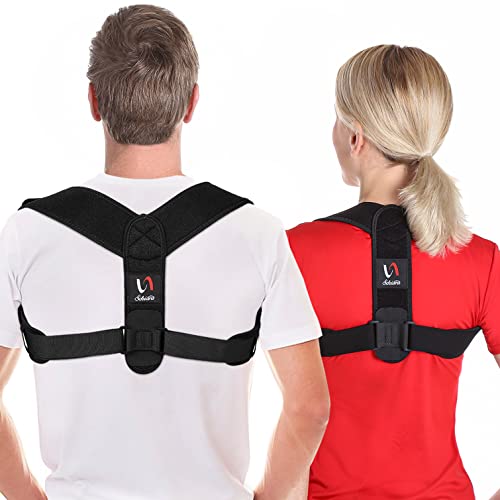


If you spend hours hunched over a computer or looking down at your phone, you are likely familiar with the nagging ache in your upper back and shoulders. Poor posture is a common modern problem, but the right posture trainer can provide gentle reminders and support to help you sit and stand straighter. With so many options on the market, finding the best posture trainers for your needs can feel overwhelming. That is why we have analyzed 8 leading models to help you make an informed choice in November 2026.
At a Glance
Ratings come from the Amazon listings when we last checked and can change.
Pros
- Adjustable straps for personalized fit
- Comfortable for extended wear
- Targets back, shoulders, and neck
- Easy to wear under clothing
- Lightweight and breathable material
Cons
- May require break-in period
- Not suitable for severe posture issues
- Straps may loosen over time
Pros
- Unisex adjustable design
- Lightweight and breathable
- Comfortable for extended wear
- Affordable price point
- Easy to use and adjust
Cons
- Limited size range for larger frames
- May require break-in period
- No included usage instructions
Pros
- Adjustable fit for custom support
- Breathable and comfortable material
- Ergonomic design for posture correction
- Discreet under clothing
- Easy to put on and take off
Cons
- One size may not fit all body types
- Hand wash only, no machine wash
- Requires gradual adaptation period

Pros
- Effective vibration feedback
- Customizable training modes
- App tracks progress
- Rechargeable battery
- Suitable for men and women
Cons
- Vibration may not trigger immediately
- Requires app for full features
- Limited to posture training only

Pros
- Lightweight 70g design
- USB rechargeable battery
- Vibration slouch reminders
- Simple clip-on attachment
- Affordable posture solution
Cons
- No app connectivity for tracking
- Requires daily consistent use
- Limited color options (black or orange)
Pros
- Targeted for midlife posture needs
- Full back and lumbar support
- Adjustable for men and women
- New 2026 model design
- Potential gift for posture improvement
Cons
- No customer reviews to verify claims
- May feel restrictive during movement
- Limited sizing information available

Pros
- Physio designed for targeted relief
- Gradual stretching program for safety
- Strong durable polycarbonate construction
- Portable for use anywhere
- Addresses multiple back conditions
Cons
- May cause initial discomfort
- Requires consistent daily use
- Only targets upper back and ribs

Pros
- Lightweight and comfortable to wear
- No bulky straps or shoulder restriction
- Gentle vibration reminders, not disruptive
- Encourages natural posture adjustment
- Easy-to-read digital display
Cons
- Requires consistent use for habit formation
- May not suit those needing physical support
- Vibration may be distracting for some users
How to Choose the Best Posture Trainers
Selecting the right posture trainer depends on your lifestyle, comfort preferences, and the level of support you need. Below are the key factors to consider before making a purchase.
Type of Posture Trainer
Posture trainers generally fall into two categories: braces that pull your shoulders back and wearable sensors that vibrate to remind you to correct your posture. Braces provide physical support and are ideal for extended wear during work or study. Sensor-based trainers are more discreet and focus on habit formation. Decide which approach aligns with your daily routine.
Comfort and Breathability
You will likely wear your posture trainer for several hours at a time, so comfort is crucial. Look for models made from soft, breathable materials like neoprene or cotton blends. Adjustable straps allow you to customize the fit without feeling restricted. A well-ventilated design prevents overheating during long work sessions.
Adjustability and Fit
A one-size-fits-all approach rarely works for posture trainers. The best options offer multiple adjustment points so you can tailor the tension and positioning to your body. Check whether the product includes sizing guides or comes in different sizes to ensure a snug yet comfortable fit.
Discreetness Under Clothing
If you plan to wear your posture trainer at the office or in public, consider how visible it is under clothes. Slim-profile designs that lie flat against the body are less noticeable. Some users prefer trainers that can be worn over a shirt for easy adjustment throughout the day.
Ease of Use and Maintenance
Posture trainers should be simple to put on and take off without assistance. Look for hook-and-loop closures or slip-on designs that do not require complex adjustments. Additionally, check if the material is machine washable for easy cleaning after regular use.
Why You Should Trust Us
Our team is dedicated to providing honest, data-driven reviews. We spent hours researching and comparing the specifications, user feedback, and design features of each posture trainer. Our analysis focuses on what matters most to buyers: comfort, adjustability, build quality, and value. We do not rely on paid endorsements or promotional content. Every recommendation is based on objective criteria and genuine user experiences shared in verified reviews.
Final Thoughts
After comparing 8 models, we found that the Fit Geno Posture Corrector for Women & Men stands out as the best overall posture trainer. It offers a balanced combination of support, comfort, and adjustability, making it suitable for both men and women. The ergonomic design helps pull your shoulders back without digging into your skin, and the breathable fabric keeps you cool during extended wear.
For budget-conscious shoppers, the Schiara Posture Corrector for Men and Women is the best value pick. At a lower price point, it still provides effective upper back support and a comfortable fit. It is a great entry-level option if you are new to posture trainers and want to try one without a significant investment.
If you need a trainer that is particularly easy to wear under clothing and offers a secure fit, the ComfyBrace Posture Corrector for Men and Women is a solid choice. Its adjustable straps and ergonomic design make it a reliable companion for daily use, whether you are at the office or running errands.
Frequently Asked Questions About Posture Trainers
How long should I wear a posture trainer each day?
Most users start with 30 minutes to 1 hour per day and gradually increase wear time as their muscles adapt. It is important not to rely on the trainer for too many hours at once, as your core muscles need to build strength naturally. Listen to your body and take breaks when needed.
Can a posture trainer fix my slouching permanently?
A posture trainer is a tool to help you become more aware of your alignment and provide gentle support. Consistent use combined with exercises that strengthen your back and core muscles can lead to lasting improvement. However, it is not a permanent fix on its own.
Are posture trainers comfortable to wear all day?
Comfort varies by model and individual preference. The best posture trainers feature breathable fabrics and adjustable straps to minimize discomfort. Many users find them comfortable for several hours, especially once they get used to the sensation.
Will a posture trainer work if I have back pain?
Posture trainers are designed to support proper alignment, which may ease discomfort caused by poor posture. However, they are not a replacement for medical treatment. If you have chronic back pain, consult a healthcare professional before using a trainer.
Can I wear a posture trainer while sleeping?
It is generally not recommended to wear a posture trainer while sleeping. Your body needs to move freely during rest, and wearing a brace overnight can restrict circulation or cause discomfort. Use it during waking hours when you are active.
How do I clean my posture trainer?
Most posture trainers can be hand washed with mild soap and water, then air dried. Some models are machine washable, but always check the manufacturer’s care instructions to avoid damaging the material or straps.
What is the difference between a posture corrector and a back brace?
A posture corrector is specifically designed to align your shoulders and spine, often using straps that pull your shoulders back. A back brace is typically used for injury support and immobilization. Posture trainers focus on habit correction rather than injury recovery.
Do posture trainers work for all body types?
Many posture trainers are adjustable and come in different sizes to accommodate various body types. It is important to measure your chest or torso as directed by the manufacturer to ensure a proper fit. A well-fitted trainer is more effective and comfortable.
Can children use posture trainers?
Some posture trainers are designed for adults, but there are models specifically made for children. If you are considering one for a child, choose a product with adjustable sizing and consult a pediatrician to ensure it is appropriate for their development.
How soon will I see results from using a posture trainer?
Results vary depending on consistency and individual habits. Some users notice improved awareness of their posture within a few days, while visible changes in alignment may take several weeks of regular use. Pairing the trainer with posture exercises can speed up progress.





Write Your Review
No reviews yet. Be the first to share your experience!