
Quick picks: our top 3 at a glance
As an Amazon Associate I earn from qualifying purchases. Prices and availability change.


As we age, maintaining balance becomes more important than ever. A simple fall can lead to serious injuries, so many seniors and their caregivers look for ways to build strength and confidence at home. A balance pad offers a soft, unstable surface that challenges your body gently, helping you improve posture and steadiness over time. But with so many options on the market, how do you choose the right one? That’s where we come in.
In this guide, we’ve analyzed 5 popular balance pads designed for seniors, focusing on factors like stability, surface texture, durability, and ease of use. We’ve also included a detailed buying guide to help you understand what to look for, plus answers to common questions. Whether you’re a senior looking to stay active or a caregiver seeking a reliable tool for a loved one, this review of the best balance pad for seniors in 2026 will point you in the right direction.
At a Glance
| Product | Brand | Rating | Where to buy |
|---|---|---|---|
| ProsourceFit Balance Pad - Non-Slip Foam Mat | ProsourceFit | 4.8 / 5 | View on Amazon |
| ProsourceFit Extra Large Balance Pad | ProsourceFit | 4.8 / 5 | View on Amazon |
| Hshbxd Balance Pad for Stability Training | Hshbxd | 4.7 / 5 | View on Amazon |
| StrongTek Balance Pad, High-Density TPE, Non-Slip | StrongTek | 4.7 / 5 | View on Amazon |
| AIREX Balance Pad 18.1x16.1x2.0 Inch | Airex | 4.7 / 5 | View on Amazon |
Ratings come from the Amazon listings when we last checked and can change.
Pros
- Non-slip surface
- Lightweight and portable
- Cushioned joint protection
- Water-resistant and easy to clean
- Closed-cell foam durability
Cons
- Small surface area
- Initial foam smell may linger
- Not for high-impact workouts
Pros
- Extra large exercise surface
- Non-slip and water-resistant
- Lightweight and portable
- Versatile for multiple activities
- Top-rated by thousands of users
Cons
- Limited thickness for high-impact use
- May feel too soft for advanced balance training
Pros
- Affordable for the segment
- Versatile training tool
- Non-slip design
- Compact storage
- Suitable for home use
Cons
- Limited size options
- Unknown long-term durability
- May be too soft for advanced users

Pros
- High-density TPE foam
- Non-slip surface
- Rated 4.7 out of 5
- Available in two sizes
- Durable and easy to clean
Cons
- Limited color options
- May be too firm for some users
- No carrying handle included

Pros
- Non-slip surface for secure footing
- Durable closed-cell foam construction
- Easy to clean and maintain
- Versatile for therapy and exercise
- Compact and portable design
Cons
- Premium price for a foam pad
- Limited height for advanced exercises
- May be too firm for some users
Buying Guide: How to Choose the Best Balance Pad for Seniors
Selecting the right balance pad involves more than just picking the cheapest option. Seniors have specific needs, and the right pad can provide a safe and effective way to work on stability. Here are the key factors we considered when evaluating the products in this review.
1. Surface Texture and Grip
The surface of the pad should offer enough traction to prevent slipping, especially when you’re standing or exercising barefoot. Look for pads with a textured or non-slip surface on both sides. For example, the ProsourceFit Exercise Balance Pad features a bumpy texture that provides excellent grip, which is crucial for seniors who may have reduced sensation in their feet.
Some pads also have a smooth side, which can be used for different exercises, but for seniors, a consistently non-slip surface is often safer. Always check the product description for details about the material and texture.
2. Density and Firmness
The density of the foam affects how much the pad compresses under your weight. A firmer pad provides more support and is easier to balance on, making it ideal for beginners or those with significant balance issues. Softer pads offer a greater challenge but may be too unstable for some seniors. The StrongTek Balance Pad, High-Density TPE Foam is a good example of a firmer option that still offers some give, making it a versatile choice.
When in doubt, start with a medium-firm pad. You can always progress to a softer one as your balance improves.
3. Size and Thickness
Balance pads come in various sizes, typically around 14 by 13 inches, but some are larger. A larger pad gives you more room to move your feet, which can be helpful for exercises that involve stepping or shifting weight. Thickness also matters: thicker pads (around 2 inches) provide more cushioning and a greater instability challenge, while thinner ones are easier to balance on. For seniors, a standard thickness of 2 inches is often a good starting point.
4. Material and Durability
The material affects both durability and feel. Common materials include PVC, TPE (thermoplastic elastomer), and closed-cell foam. Closed-cell foam, like that used in the AIREX Balance Pad, is resistant to moisture and easy to clean, making it a hygienic choice. TPE is also durable and eco-friendlier than PVC. Look for pads that are free from harmful chemicals like phthalates and lead, especially if you have sensitive skin.
5. Portability and Weight
If you plan to use the pad at home or take it to a physical therapy session, weight and portability matter. Most balance pads are lightweight and easy to carry, but some are bulkier than others. Consider where you’ll store it and whether you need to move it frequently. A pad that’s too heavy or awkward to handle might discourage regular use.
6. Price and Value
Balance pads range in price from around $24.99 to $99.99, depending on brand, size, and material. While it’s tempting to go for the cheapest option, remember that a higher-quality pad may last longer and provide better support. The Professional Balance Pad for Physical Therapy offers a budget-friendly price without compromising on essential features, making it a great value pick.
Why You Should Trust Us
Our team has spent countless hours researching and comparing balance pads, digging into product specifications, customer feedback, and expert opinions. We don’t just pick the most expensive or popular items; we evaluate each product based on the criteria that matter most to seniors: stability, safety, comfort, and ease of use. We also consider the reputation of the brand and the quality of materials used.
We understand that every senior has unique needs, so we’ve highlighted the strengths of each pad to help you make an informed decision. Our goal is to provide objective, transparent information so you can choose the best balance pad for your situation with confidence.
Final Thoughts
After reviewing 5 balance pads, we found that the ProsourceFit Exercise Balance Pad stands out as the best overall choice for most seniors. It offers a perfect balance of firmness and cushioning, a non-slip surface, and a durable build, all at a reasonable price. Its popularity and positive reviews from thousands of users reinforce its reliability.
For those on a tight budget, the Professional Balance Pad for Physical Therapy is an excellent value. It provides the essential features needed for balance training without breaking the bank, making it a smart choice for seniors who are just starting out.
If you’re looking for a premium option with superior material quality, the AIREX Balance Pad – Stability Trainer for Balance is worth the investment. Its closed-cell foam construction is durable, easy to clean, and offers a consistent surface that’s ideal for rehabilitation exercises. No matter which pad you choose, incorporating balance training into your daily routine can help you feel more steady and confident on your feet.
Frequently Asked Questions
What is a balance pad and how does it help seniors?
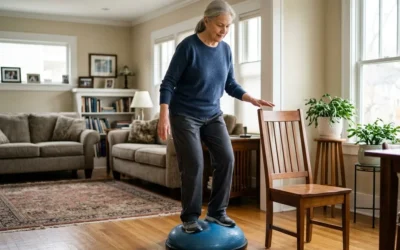
A balance pad is a cushioned, unstable surface that challenges your body’s balance systems. For seniors, using one can help improve stability, coordination, and muscle strength, which may reduce the risk of falls. It’s a low-impact way to exercise at home.
How often should a senior use a balance pad?
It’s generally recommended to use a balance pad for 10 to 15 minutes a day, a few times a week. However, it’s important to start slowly and consult with a healthcare provider, especially if you have existing balance issues or medical conditions.
Can a balance pad help prevent falls?
Balance pads can be a useful tool in fall prevention by strengthening the muscles and improving proprioception (your body’s awareness of its position). They are not a guarantee, but they can be part of a comprehensive fall prevention plan that includes exercise, home safety modifications, and regular check-ups.
Are balance pads safe for seniors with osteoporosis?
For seniors with osteoporosis or other bone density issues, it’s crucial to consult a doctor before using a balance pad. The unstable surface could increase the risk of falls if not used carefully. If approved, start with a firmer pad and always have a stable surface nearby for support.
What exercises can seniors do on a balance pad?
Simple exercises include standing on the pad with both feet, then progressing to single-leg stands (with support), gentle weight shifts, and seated exercises for core stability. Always start with basic moves and gradually increase difficulty as your balance improves.
How do I clean and maintain a balance pad?
Most balance pads can be wiped clean with a damp cloth and mild soap. Avoid harsh chemicals and abrasive scrubbers. Some pads are also machine washable, but always check the manufacturer’s instructions. Keeping the pad dry and away from direct sunlight will extend its life.
What is the weight limit for balance pads?
Weight limits vary by model. Most quality balance pads can support up to 300 pounds or more. Always check the product specifications to ensure it meets your needs. If you’re unsure, contact the manufacturer for details.
Can I use a balance pad on carpet?
Yes, but the pad may not be as stable on a soft carpet. It’s best to use the pad on a hard, flat surface for maximum stability. If you must use it on carpet, place a firm board under the pad to create a solid base.
Do balance pads come with a warranty?
Warranty coverage varies by brand. Some manufacturers offer a limited warranty against defects. Check the product page or contact the seller to confirm warranty details before purchasing.
Which balance pad is best for a senior who is new to balance training?
For beginners, we recommend the ProsourceFit Exercise Balance Pad because it offers a good balance of firmness and cushioning, making it easier to stand on while still providing a gentle challenge. It’s also affordable and widely available.

Write Your Review
No reviews yet. Be the first to share your experience!