
Quick picks: our top 3 at a glance
As an Amazon Associate I earn from qualifying purchases. Prices and availability change.


Improving your balance and core strength doesn’t have to mean spending hours in a gym. A wobble board is a simple, effective tool that can make a real difference in your stability, coordination, and overall fitness. Whether you’re an athlete looking to enhance performance, someone recovering from an injury, or just want to make your standing desk more engaging, finding the right board is key. With so many options available, from basic rockers to advanced 360-degree wobblers, it can be tough to know where to start. That’s why we’ve compared 8 of the best wobble boards on the market to help you make an informed decision.
In this guide, we break down the key features, build quality, and design of each board, so you can choose the one that best matches your goals and lifestyle. Whether you prioritize a non-slip surface, a specific weight capacity, or a board that transitions from beginner to advanced, we’ve got you covered.
At a Glance
| Product | Brand | Rating | Where to buy |
|---|---|---|---|
| Wobble Exercise Balance Board, No-Skid Surface | EVERYMILE | 4.3 / 5 | View on Amazon |
| Balance Board, Wooden Wobble Board for Standing Desk, Home & Office | DRAVQIX | 5.0 / 5 | View on Amazon |
| Balance Board, Wobble Board for Adults – Anti-Slip 350LBS Wooden Ro… | SEENYOO | 4.5 / 5 | View on Amazon |
| StrongTek Wooden Balance Board, Basic Rocker or Advanced 360° Wobble | StrongTek | 4.6 / 5 | View on Amazon |
| Amazon Basics Wood Wobble Balance Trainer Board, Slip Resistant, fo… | AmazonBasics | 4.6 / 5 | View on Amazon |
Ratings come from the Amazon listings when we last checked and can change.
Pros
- No-skid surface
- Portable with handle
- Core strength builder
- Therapy-friendly design
- Lightweight and compact
Cons
- Potential learning curve for balance
- No included exercise guide
- Limited advanced features
Pros
- Pre-assembled, no setup needed
- Quiet cork base reduces noise
- Supports up to 441 lbs
- Full 360-degree movement
- Includes non-slip mat
Cons
- Requires wall or desk for beginners
- Takes up floor space at a desk
- No carrying case included
Pros
- 350lb weight capacity
- Anti-slip surface
- Solid wood construction
- Improves core strength
- Ideal for standing desks
Cons
- No included exercise guide
- Learning curve for beginners

Pros
- Versatile rocker and wobble modes
- Solid wooden build quality
- Compact and easy to store
- Improves core strength and balance
- Smooth motion for varied workouts
Cons
- Surface may be slippery without grip pad
- Weight limit not specified
- Potential scratches on hardwood floors

Pros
- Affordable price point
- Slip-resistant texture
- Sturdy wood build
- Easy to store
Cons
- Basic design
- Small surface area
- Not for heavy-duty training
Pros
- No-skid exercise surface
- Built-in carry handle
- Portable balance trainer
- Good for core and rehab
- Compact and easy to store
Cons
- No adjustable resistance
- Limited user feedback
- May feel unstable for beginners

Pros
- Multi-layer solid wood build
- Non-slip silicone surface
- Anti-collision protective strip
- Portable and lightweight
- Versatile usage scenarios
Cons
- No customer reviews yet
- Limited size for advanced users
- Basic design without adjustable difficulty

Pros
- Affordable balance training solution
- Anti-slip surface for safety
- Versatile for therapy, fitness, desk
- Durable wooden build
- Lightweight and easy to clean
Cons
- No included exercise guide
- Limited size options available
- Unknown long-term durability
How to Choose the Best Wobble Boards
Selecting the right wobble board depends on your specific needs, experience level, and how you plan to use it. Here are the most important factors to consider before making a purchase.
Type of Movement: Rocker vs. 360-Degree Wobble
Wobble boards generally fall into two categories: rocker boards and 360-degree wobble boards. Rocker boards move side-to-side or front-to-back, making them ideal for beginners or targeted exercises. They offer a more predictable motion and are often recommended for early-stage physical therapy.
360-degree wobble boards, on the other hand, allow for multi-directional movement, engaging more muscle groups and providing a greater challenge. If you are looking for a board that can grow with you as your balance improves, a 360-degree model is a solid choice. Some boards, like the StrongTek Wooden Balance Board, are designed to function as both a rocker and a 360-degree wobble board, offering versatility for users of all skill levels.
Material and Build Quality
The material of the board affects its durability, weight, and feel underfoot. Most high-quality wobble boards are made from solid wood, such as birch or pine, which provides a sturdy and stable platform. Wooden boards often have a natural, aesthetic look that fits well in a home or office setting.
Some boards incorporate plastic or composite materials, which can be lighter and more portable but may not offer the same long-term durability. Look for boards with a smooth, splinter-free finish and a solid construction that can support your weight without flexing or cracking. The Amazon Basics Wood Wobble Balance Trainer Board is a good example of a budget-friendly wooden option that prioritizes simplicity and reliability.
Surface Texture and Safety
A non-slip surface is crucial for safety, especially if you plan to use the board for extended periods or while standing at a desk. Many boards feature a textured top layer, rubberized pads, or a non-slip coating to keep your feet firmly in place. This is particularly important during dynamic movements or when you start to sweat.
Some boards also include a non-slip bottom or a rubber ring around the base to prevent the board from sliding on hard floors. If you intend to use the board on a smooth surface like hardwood or tile, look for models with built-in floor protection to avoid scratches and ensure stability.
Size and Weight Capacity
Wobble boards come in various sizes, and the right one for you depends on your foot size and the type of exercises you plan to do. A larger platform provides more stability and is easier to balance on, while a smaller board offers a greater challenge and is more portable. Most boards are designed to accommodate a wide range of foot sizes, but it is worth checking the dimensions if you have larger feet.
Weight capacity is another critical factor. Ensure the board you choose can safely support your weight. Many boards have a weight limit of around 300 to 400 pounds, but this can vary. For example, the Balance Board, Wobble Board for Adults boasts a high weight capacity of 350 pounds, making it suitable for a wide range of users.
Portability and Storage
If you plan to take your wobble board to the gym, office, or on trips, portability matters. Some boards are lightweight and come with a carrying handle, making them easy to transport. Others are bulkier and better suited for permanent placement in a home gym or under a standing desk.
Consider where you will store the board when not in use. A compact, slim design can slide under a couch or bed, while larger boards may need a dedicated space. The Wobble Exercise Balance Board, No-Skid Surface from EVERYMILE includes a handle for easy carrying, making it a great option for those on the go.
Intended Use: Therapy, Desk Work, or Fitness
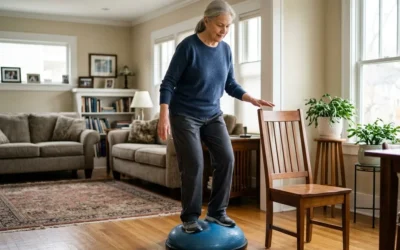
Your primary use case will heavily influence your choice. For physical therapy, a board with a gentle rocker motion and a stable base is often recommended. For use at a standing desk, a board with a non-slip surface and a low profile is ideal, as it allows for subtle, continuous movement without being distracting.
For fitness and core training, a 360-degree wobble board that challenges your stability in all directions is a better fit. Some boards, like the Advanced Wood Balance Board, Table Balance Board, are designed with a specific focus on fast fitness training and outdoor sports balance, making them versatile for multiple activities.
Price and Value
Wobble boards are available at a wide range of price points, from under $20 to over $100. While a higher price often correlates with better materials and construction, there are excellent budget-friendly options that perform well. The key is to find a board that meets your specific needs without paying for features you will not use.
Consider the build quality, warranty, and brand reputation. Brands like StrongTek and AmazonBasics offer reliable products at competitive prices. Investing a little more in a well-built board can ensure it lasts for years, while a cheaper board may need to be replaced sooner.
Why You Should Trust Us
Our team has spent countless hours researching and comparing the best wobble boards on the market. We analyzed product specifications, materials, user feedback, and design features to provide you with a comprehensive and unbiased overview. Our goal is to help you find the board that best matches your individual needs, whether you are a beginner or an experienced user.
We do not make claims about physical testing unless explicitly stated in the product data. Instead, we focus on objective criteria such as build quality, safety features, versatility, and value. Our recommendations are based on a thorough analysis of the available information, ensuring you can make a confident purchase decision.
Final Thoughts
After comparing 8 of the best wobble boards, we have identified top picks for different needs. For the best overall, we recommend the StrongTek Wooden Balance Board. Its dual functionality as a rocker and 360-degree wobble board, combined with solid wood construction and a high user rating, makes it a versatile and durable choice for users of all levels.
If you are looking for the best value, the Amazon Basics Wood Wobble Balance Trainer Board is an excellent budget-friendly option. It offers a simple, effective design with a non-slip surface at an affordable price point, making it a great entry-level board for beginners or those on a tight budget.
For those seeking a board specifically for physical therapy or rehabilitation, the Balance Board Wooden Wobble Board for Adults from VANKUTL stands out. Its design includes ankle support and a focus on stability, making it a thoughtful choice for those recovering from injuries or looking to improve their balance in a controlled manner.
Related Guides
- Best Walking Pads for Walking While Working
- Best Quiet Treadmills for Apartments
- Best Foot Massagers with Remote
- More in Physical Therapy Equipment
Frequently Asked Questions
What is a wobble board used for?
A wobble board is used to improve balance, coordination, and core strength. It is commonly used in physical therapy, fitness training, and as an active sitting or standing desk accessory to promote movement and reduce fatigue.
Are wobble boards good for beginners?
Yes, many wobble boards are designed with beginners in mind. Rocker boards, which move in one direction, are particularly good for starting out. Some boards also offer adjustable difficulty levels, allowing you to progress at your own pace.
Can I use a wobble board at a standing desk?
Absolutely. Wobble boards are popular for use at standing desks as they encourage subtle, continuous movement, which can help reduce fatigue and improve focus. Look for a board with a non-slip surface and a low profile for this purpose.
What is the difference between a rocker board and a wobble board?
A rocker board typically moves in one plane (side-to-side or front-to-back), while a wobble board allows for 360-degree movement. Rocker boards are often easier for beginners, while wobble boards provide a more comprehensive balance challenge.
How much weight can a wobble board hold?
Weight capacity varies by model. Most wobble boards can support between 250 and 400 pounds. Always check the manufacturer’s specifications to ensure the board is suitable for your weight.
Are wooden wobble boards better than plastic ones?
Wooden wobble boards are generally more durable and provide a sturdier feel compared to plastic models. They also tend to have a more natural aesthetic. However, plastic boards can be lighter and more portable, which may be a benefit for some users.
Can a wobble board help with physical therapy?
Yes, wobble boards are commonly used in physical therapy to improve balance, proprioception, and ankle stability. They are often recommended for rehabilitation after ankle or knee injuries. Always consult with a healthcare professional before starting any new exercise regimen.
How do I clean my wobble board?
Most wooden wobble boards can be wiped clean with a damp cloth. Avoid using harsh chemicals or soaking the board, as this can damage the wood. For boards with a non-slip surface, a mild soap solution can be used.
Do wobble boards come with a warranty?
Warranty policies vary by manufacturer. Some brands offer a limited warranty against defects in materials and workmanship. Check the product listing or manufacturer’s website for specific warranty information.
What exercises can I do with a wobble board?
You can perform a variety of exercises, including basic balancing, squats, lunges, push-ups (with hands on the board), and even upper body movements. The key is to start slowly and focus on maintaining control. For more ideas, check out our guide on Best Massage Guns for Muscle Recovery for complementary recovery techniques.


Write Your Review
No reviews yet. Be the first to share your experience!