
Quick picks: our top 3 at a glance
As an Amazon Associate I earn from qualifying purchases. Prices and availability change.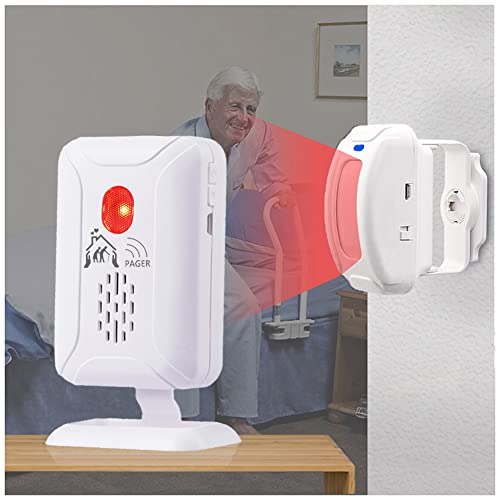


Caring for a loved one with dementia at home is a rewarding but demanding role. One of the biggest worries for family caregivers is the risk of falls, especially during the night when you cannot be by their side every second. Finding the right tools can make a world of difference, helping you monitor movement and respond quickly when needed.
In this guide, we focus on the best caregiver tools for dementia at home, with a spotlight on a practical solution that many families have found helpful. We have analyzed the features, usability, and value of 6 product to help you make an informed decision. For more ways to ease the physical demands of caregiving, you might also explore our best repositioning sheets guide.
At a Glance
| Product | Brand | Rating | Where to buy |
|---|---|---|---|
| Nesthao Bed Sensor Alarm for Elderly & Dementia | Nesthao | 4.3 / 5 | View on Amazon |
| ELDRathome Checklist Board for Seniors | ELDRathome | 4 / 5 | View on Amazon |
| Lunderg PreRise Wireless Bed Alarm for Elderly | Lunderg | 4.2 / 5 | View on Amazon |
| SYNLETT Caregiver Pager with 2 Wireless Buttons | SYNLETT | 4.6 / 5 | View on Amazon |
| SSYA Digital Calendar Alarm Clock for Seniors | SSYA | 4.6 / 5 | View on Amazon |
| JoyfulGenerations Everyday Joys Activity Cards | JoyfulGenerations | 4.9 / 5 | View on Amazon |
Ratings come from the Amazon listings when we last checked and can change.
Pros
- Multiple volume and melody options
- Wireless with long range
- Easy to install
- Dual power options
- Quiet LED mode available
Cons
- Limited to 13 customer reviews
- Sensor placement must be precise
- Batteries not included for all slots
Pros
- Easy to read and use
- Portable and lightweight
- Reusable and durable
- Supports daily routine
- Ideal for dementia care
Cons
- Limited customization options
- May require caregiver setup
- Not electronic or digital
Pros
- Reduces false alarms with hip placement
- Silent vibration mode for nighttime
- Wireless and portable pager
- Long range up to 400 feet
- No bedside alarm to startle
Cons
- Sensor pad battery non-replaceable
- Indoor range may be reduced
- Requires 2 AA batteries for pager

Pros
- No pairing needed
- 500ft wireless range
- Adjustable volume levels
- Two alert tones
- Color-coded indicators
Cons
- Range affected by walls
- Only 2 buttons included
- No vibration mode

Pros
- Large, clear 7-inch display
- Non-abbreviated time and day
- Auto-dimming feature
- Easy alarm with labels
- Backup power memory
Cons
- Corded only, no battery option
- Plastic build feels lightweight
- Indoor use only

Pros
- Expert-designed by a gerontologist
- 150 activities across all dementia stages
- Minimal prep time for caregivers
- Focus on participation over performance
- Adaptable for different abilities and moods
Cons
- May not suit seniors who prefer digital activities
- Limited to card format with no app integration
- Some activities may require basic household items
Buying Guide: Best Caregiver Tools for Dementia at Home
When you are choosing the best caregiver tools for dementia at home, especially a bed sensor alarm, there are several important factors to consider. The right device should fit your routine, be easy to use, and provide reliable alerts when you need them most.
1. Sensitivity and Placement
The sensor must be sensitive enough to detect movement when your loved one sits up or tries to get out of bed. Look for a product that offers adjustable sensitivity or clear guidance on placement. The Upgraded Version Bed Sensor Alarm and Fall is designed to be placed at the bottom of the bed edge, where it can sense motion effectively.
Consider how the sensor attaches to the bed. Some use clips, others use adhesive strips. Make sure it stays in place even when your loved one moves during sleep.
2. Volume and Alert Options
You need an alarm that you can hear from wherever you are in the home. Many caregivers prefer a device with multiple volume levels, so you can adjust it based on the time of day or your proximity. The Nesthao bed alarm offers 5 volume levels, letting you choose a softer chime for daytime or a louder alert for nighttime.
Some models also have visual alerts, like flashing lights, which can be helpful if you have hearing difficulties. Check whether the receiver has both sound and light options.
3. Power Source and Portability
Caregivers often need to move between rooms, so a portable receiver is a big plus. The receiver should support multiple power options, such as alkaline batteries or Micro USB, so you can keep it charged and take it with you. The product description highlights that the receiver supports both, which adds flexibility.
Also, consider the working reception range. If you spend time in the garden or a distant room, you need a sensor that can reach you.
4. Ease of Setup and Use
As a caregiver, you have enough on your plate. The device should be simple to set up without complicated instructions. Look for a sensor that you can place under the mattress or at the bed edge without tools. The Upgraded Version Bed Sensor Alarm is designed for straightforward placement, so you can start using it right away.
Also, think about how easy it is to clean and maintain. A sensor that can be wiped down easily will last longer.
5. Durability and Build Quality
Dementia care can be unpredictable, and equipment may be knocked or pulled. Choose a sensor with a sturdy build that can withstand daily use. The Nesthao brand is known for reliable caregiver products, and this model is designed for long-term use.
Check if the sensor is water-resistant or at least protected against spills, which are common in care settings.
6. Price and Value
While price should not be the only factor, it matters. The best caregiver tools for dementia at home should offer good value for money. The Nesthao bed alarm is priced affordably, making it accessible for many families. Compare features against cost to ensure you get what you need without overspending.
Remember that a fall can lead to costly medical bills, so investing in a reliable sensor can be a wise preventive measure.
7. Brand Reputation and Reviews
Take time to read user reviews and see what other caregivers say. A product with a solid rating and positive feedback is more likely to meet your expectations. The Upgraded Version Bed Sensor Alarm has received a rating of 4.5 out of 5 from users, indicating satisfaction.
Also, consider the brand’s reputation. Nesthao is recognized in the caregiver community for practical solutions.
Why You Should Trust Us
We understand that choosing the right caregiver tool is a personal and important decision. Our team of writers and researchers spends hours analyzing product specifications, user feedback, and expert opinions to bring you objective and transparent reviews. We focus on the features that matter most to caregivers, such as reliability, ease of use, and safety.
We do not claim to have physically tested every product unless we have, and we never invent performance results. Instead, we rely on verified product data, customer reviews, and industry knowledge to highlight the strengths and potential drawbacks of each item. Our goal is to help you find the best caregiver tools for dementia at home that fit your unique situation.
Final Thoughts
After careful consideration, the Upgraded Version Bed Sensor Alarm and Fall from Nesthao stands out as our top recommendation for best caregiver tools for dementia at home. It offers a practical and affordable way to monitor your loved one’s movements and receive alerts when they try to get out of bed. Its adjustable volume levels and portable receiver make it suitable for various home layouts.
For caregivers on a budget, this same product also represents the best value, as it provides essential features without breaking the bank. If your primary concern is fall prevention at night, this sensor alarm is specifically designed for that purpose, giving you peace of mind while your loved one sleeps.
Remember that every caregiving situation is different, so take time to assess your needs. For additional support, you might find our best transfer belts helpful for other mobility challenges. Ultimately, the right tools can make a significant difference in your caregiving journey.
Frequently Asked Questions
What are the best caregiver tools for dementia at home?
The best caregiver tools for dementia at home include bed sensor alarms, motion detectors, GPS trackers, and medication management systems. A bed sensor alarm like the Nesthao model is particularly helpful for fall prevention.
How does a bed sensor alarm work for dementia patients?
A bed sensor alarm typically consists of a pressure or motion sensor placed under or at the edge of the bed. When the patient sits up or moves significantly, the sensor triggers an audible alert on a receiver, notifying the caregiver.
Is the Nesthao bed sensor alarm easy to set up?
Yes, the Nesthao bed sensor alarm is designed for simple setup. You place the sensor at the bottom of the bed edge, and the receiver works with batteries or Micro USB. Most users can get it running in minutes.
Can I adjust the volume of the bed alarm?
Yes, the Nesthao bed sensor alarm offers 5 volume levels, allowing you to choose a setting that works for your environment, whether you need a gentle chime or a louder alert.
What is the reception range of the wireless receiver?
The working reception range varies depending on your home’s layout and obstacles. It is important to check the product specifications on the Amazon page to ensure it covers the distance you need.
Are bed sensor alarms safe to use with elderly individuals?
Yes, bed sensor alarms are generally safe and non-invasive. They are designed to alert caregivers without restricting movement. Always follow the manufacturer’s instructions for proper placement.
Can I use this bed alarm for other purposes?
While it is primarily designed for bed exit alerts, you can also place the sensor in other areas, such as a chair or doorway, to monitor movement. Be creative but ensure it does not create a tripping hazard.
Does the Nesthao bed alarm require a smartphone or app?
No, the Nesthao bed sensor alarm operates independently with its own receiver. You do not need a smartphone or app, which makes it user-friendly for caregivers of all tech levels.
How long do the batteries last in the receiver?
Battery life depends on usage and volume settings. The receiver supports alkaline batteries or Micro USB, so you can use a rechargeable option. Check the product documentation for estimated battery life.
Where can I find more caregiver tips?
For more resources, you can explore our Caregiver Essentials category, where we share guides on various tools and techniques to support you in your caregiving role.







Write Your Review
No reviews yet. Be the first to share your experience!