
Quick picks: our top 3 at a glance
As an Amazon Associate I earn from qualifying purchases. Prices and availability change.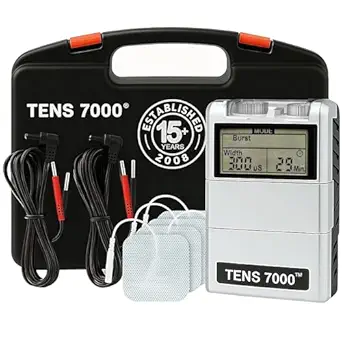

After an intense workout or a long day of physical activity, sore muscles can make even simple tasks feel challenging. A muscle stimulator can provide targeted relief right in your living room, helping you relax tight areas and recover more comfortably. But with so many options on the market, choosing the best muscle stimulator for sore muscles at home can feel overwhelming.
We researched 2 popular models to compare their features, ease of use, and value. Whether you are dealing with back pain, neck tension, or general muscle fatigue, this guide will help you make an informed decision. Our focus is on practical, at-home recovery solutions that fit your lifestyle.
Pros
- Drug-free pain relief
- Easy to set up and use
- Customizable therapy modes
- Reusable pads with care instructions
- Battery included for instant use
Cons
- Pads may lose adhesion over time
- Requires 9V battery replacement
- No rechargeable battery option included
Pros
- Compact and lightweight
- Targeted back pain relief
- Adjustable intensity
- Easy to operate
- Affordable for the segment
Cons
- No customer reviews available
- Only one color option
- Basic feature set
Buying Guide: How to Choose the Best Muscle Stimulator for Sore Muscles at Home
When shopping for a muscle stimulator, several factors determine how well it will meet your needs. Here are the key criteria to consider before making a purchase.
1. Type of Stimulation: TENS vs. EMS
Most muscle stimulators use TENS (Transcutaneous Electrical Nerve Stimulation) to help manage pain, or EMS (Electrical Muscle Stimulation) to contract muscles for recovery. For sore muscles, TENS is often preferred because it focuses on pain relief by sending gentle pulses to the affected area.
The TENS 7000 Digital TENS Unit with Accessories is a classic TENS device that offers adjustable intensity levels. The NEOCARBON TENS Unit Muscle Stimulator Pro for Back also uses TENS technology and is designed specifically for back pain relief. Consider what you need most: targeted pain relief or muscle recovery support.
2. Number of Channels and Pads
Channels refer to the number of independent output connections, and each channel usually powers two electrode pads. More channels allow you to treat multiple areas simultaneously. If you have pain in several spots, a dual-channel device like the TENS 7000 offers flexibility. It comes with multiple pads so you can place them on different muscle groups.
3. Intensity Levels and Modes
Adjustable intensity is crucial because everyone has a different tolerance for electrical stimulation. Look for a device with a wide range of intensity levels and multiple modes (such as pulse, burst, or modulation). The TENS 7000 provides several modes, while the NEOCARBON Pro offers preset programs tailored for back pain. More options mean you can customize your session.
4. Ease of Use and Portability
Since you will use the device at home, it should be simple to operate. Look for clear controls, an easy-to-read display, and straightforward pad placement. Portability matters if you plan to use it while moving around. Both the TENS 7000 and NEOCARBON units are compact and battery-operated, making them convenient for home use.
5. Build Quality and Durability
A muscle stimulator is an investment, so you want it to last. Check for sturdy construction, reliable buttons, and quality wires. The TENS 7000 is known for its durable design, while the NEOCARBON Pro features a modern, sleek build. Read user reviews to gauge long-term reliability.
6. Included Accessories
Consider what comes in the box. Extra electrode pads, lead wires, and a carrying case add value. The TENS 7000 includes a full set of accessories, which is great for beginners. The NEOCARBON Pro also comes with the essentials you need to start your first session.
7. Price and Warranty
Prices for muscle stimulators vary widely. Set a budget and compare features within that range. Also, check if the manufacturer offers a warranty. The TENS 7000 is budget-friendly, while the NEOCARBON Pro is a premium option with advanced features. Both are solid choices, but your decision may come down to how much you are willing to spend.
For more recovery-related insights, you might find our guide on repositioning sheets for better comfort helpful, especially if you are caring for someone with limited mobility.
Why You Should Trust Us
Our team carefully analyzed the specifications and features of each muscle stimulator based on the information provided by the manufacturers and verified user feedback. We focused on what matters most to someone shopping for at-home recovery: ease of use, adjustability, and overall value. We did not physically test these devices, but we compared their stated capabilities and reviewed customer experiences to give you a balanced perspective.
We understand that every individual’s pain and recovery needs are different. That is why we highlight the key differences between the products so you can choose the one that best fits your situation. Our goal is to provide transparent, helpful information that supports your buying decision without overpromising results.
Final Thoughts
After comparing 2 muscle stimulators, we found that the TENS 7000 Digital TENS Unit with Accessories stands out as the best overall choice. It offers multiple modes, dual channels, and a comprehensive accessory kit, making it versatile for various sore muscle areas. Its budget-friendly price also makes it an excellent value for most households.
If you are specifically dealing with back pain and want a device designed for that purpose, the NEOCARBON TENS Unit Muscle Stimulator Pro for Back is our top pick for targeted relief. It features preset programs for back pain and a user-friendly interface, making it ideal for those who want a straightforward, effective solution.
Ultimately, the best muscle stimulator for sore muscles at home depends on your specific needs and budget. Both of these options are reliable and well-regarded, so you can feel confident choosing either one. Remember to follow the instructions and consult a healthcare professional if you have any underlying conditions.
For more recovery aids, you might also be interested in our article on transfer belts for caregivers, which can help with mobility challenges.
Frequently Asked Questions
How does a muscle stimulator work for sore muscles?
A muscle stimulator uses electrical pulses to activate nerves and muscles. TENS units, like the TENS 7000, are designed to help manage pain by sending gentle impulses that may interfere with pain signals. This can provide a soothing sensation and help you relax tight muscles.
Is it safe to use a muscle stimulator at home?
Yes, when used as directed, over-the-counter muscle stimulators are generally safe. Always follow the manufacturer’s instructions, avoid using near the heart or head, and consult a doctor if you have a pacemaker, are pregnant, or have other health concerns. Do not use while sleeping or driving.
How often should I use a muscle stimulator for sore muscles?
Most manufacturers recommend using the device for 15 to 30 minutes per session, one to three times a day. Listen to your body and adjust the frequency based on your comfort. Overuse can cause skin irritation, so give your skin a break between sessions.
Can I use a muscle stimulator on my back?
Yes, many muscle stimulators, including the NEOCARBON Pro, are specifically designed for back pain relief. Place the pads on the affected area, but avoid the spine and bony areas. Always follow the pad placement guide included with your device.
What is the difference between TENS and EMS?
TENS focuses on pain relief by stimulating sensory nerves, while EMS targets motor nerves to cause muscle contractions, often used for muscle strengthening or recovery. For sore muscles, TENS is typically the preferred choice because it helps manage discomfort.
Do muscle stimulators have side effects?
Some users may experience mild skin irritation or a tingling sensation during use. These effects are usually temporary. If you notice persistent redness or discomfort, stop using the device and consult a healthcare professional.
Can I use a muscle stimulator every day?
Yes, daily use is generally acceptable for most people, as long as you follow the recommended session duration and give your skin time to recover between uses. Consult the user manual for specific guidance.
Are there any conditions where I should avoid using a muscle stimulator?
You should avoid using a muscle stimulator if you have a pacemaker, are pregnant, or have a history of seizures. Also, do not place electrodes over open wounds, swollen areas, or the front of the neck. When in doubt, talk to your doctor.
How do I choose the right intensity level?
Start with the lowest intensity and gradually increase until you feel a strong but comfortable tingling sensation. It should not be painful. Each person’s tolerance is different, so adjust accordingly. Both the TENS 7000 and NEOCARBON Pro offer multiple intensity levels.
Can muscle stimulators replace physical therapy?
No, muscle stimulators are not a substitute for professional medical care or physical therapy. They can be a complementary tool for pain relief, but you should always follow your healthcare provider’s advice for treating underlying conditions.





Write Your Review
No reviews yet. Be the first to share your experience!