
Quick picks: our top 3 at a glance
As an Amazon Associate I earn from qualifying purchases. Prices and availability change.


If you are working on improving your balance or recovering from a lower-body injury, a balance pad is a simple yet effective tool. The unstable surface forces your muscles to engage, helping you build strength and stability from the comfort of your home. With so many options on the market, finding the right one can feel overwhelming. That is why we have compared 8 of the best balance pads available in November 2026 to help you make an informed choice.
At a Glance
| Product | Brand | Rating | Where to buy |
|---|---|---|---|
| ProsourceFit Exercise Balance Pad, Non-Slip Cushioned Foam Mat & Kn… | ProsourceFit | 4.8 / 5 | View on Amazon |
| StrongTek Foam Balance Pad, High-Density TPE, 15.8 x 13 x 2 in, Non… | StrongTek | 4.7 / 5 | View on Amazon |
| Professional Balance Pad for Physical Therapy and Stability Training | Hshbxd | 4.7 / 5 | View on Amazon |
| ProsourceFit Exercise Balance Pad, Non-Slip Cushioned Foam Mat & Kn… | ProsourceFit | 4.8 / 5 | View on Amazon |
| ProsourceFit Exercise Balance Pad, Non-Slip Cushioned Foam Mat & Kn… | ProsourceFit | 4.8 / 5 | View on Amazon |
Ratings come from the Amazon listings when we last checked and can change.
Pros
- Non-slip surface
- Lightweight and portable
- Cushioned joint protection
- Water-resistant and easy to clean
- Closed-cell foam durability
Cons
- Small surface area
- Initial foam smell may linger
- Not for high-impact workouts
Pros
- High-density TPE material
- Non-slip base for safety
- Effective 2-inch instability
- Large workout surface
- Versatile for multiple exercises
Cons
- May have initial TPE odor
- No carrying handle included
- Top surface not textured
Pros
- Affordable for the segment
- Versatile training tool
- Non-slip design
- Compact storage
- Suitable for home use
Cons
- Limited size options
- Unknown long-term durability
- May be too soft for advanced users

Pros
- Extra large exercise surface
- Non-slip and water-resistant
- Lightweight and portable
- Versatile for multiple activities
- Top-rated by thousands of users
Cons
- Limited thickness for high-impact use
- May feel too soft for advanced balance training

Pros
- Non-slip surface
- Cushioned comfort
- Portable and lightweight
- Water-resistant material
- Thick 3-inch padding
Cons
- No exercise guide included
- May be too soft for advanced balance work
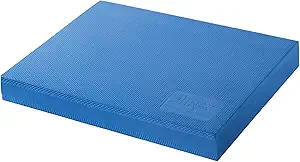
Pros
- Non-slip closed cell foam build
- Great for rehab and balance training
- Easy to clean and maintain
- Durable and long lasting
- Versatile for multiple exercises
Cons
- May be too firm for some users
- Limited to static or low impact moves
- No carrying handle included

Pros
- Non-slip surface for secure footing
- Durable closed-cell foam construction
- Easy to clean and maintain
- Versatile for therapy and exercise
- Compact and portable design
Cons
- Premium price for a foam pad
- Limited height for advanced exercises
- May be too firm for some users

Pros
- High-density TPE material
- Non-slip texture
- Portable and lightweight
- Versatile for multiple exercises
- Cushioned support
Cons
- May have initial odor from TPE
- Surface may be small for wide stance
- Not as firm as rubber alternatives
Buying Guide: How to Choose the Best Balance Pads
Not all balance pads are created equal. To find the best balance pads for your routine, you need to consider a few key factors that affect performance, durability, and comfort.
Density and Firmness
The density of the foam determines how much instability it creates. A firmer pad provides a more challenging workout, while a softer pad offers more cushioning for beginners or those in rehabilitation. Look for high-density foam if you want a pad that holds its shape over time.
Material and Durability
Balance pads are typically made from foam or TPE (thermoplastic elastomer). Foam pads are lightweight and affordable, while TPE pads are often more durable and resistant to wear. Consider how often you plan to use the pad and whether it will be exposed to sweat or cleaning products.
Non-Slip Surface
A non-slip surface is essential for safety, especially if you are using the pad for exercises like squats or lunges. Look for textured surfaces or ridges that help keep your feet or hands in place during movement.
Size and Portability
Consider the dimensions of the pad. A larger surface area gives you more room for different exercises, while a smaller pad is easier to store or take to the gym. If you travel frequently, a compact pad that fits in a bag may be ideal.
Intended Use
Think about your primary goal. For physical therapy, a pad with moderate firmness and good support is best. For advanced stability training, a firmer pad that challenges your balance more will yield better results. Some pads are also designed for yoga or as knee pads, so matching the pad to your activity is important.
Why You Should Trust Us
Our team spent hours researching and comparing the specifications of the top balance pads on the market. We analyzed customer feedback, material quality, and design features to provide an objective overview. Our goal is to help you find a product that meets your specific needs without the guesswork. We do not recommend products we would not use ourselves.
Final Thoughts
After comparing the top models, we believe the best balance pads come down to your personal needs. For the best overall experience, we recommend the ProsourceFit Exercise Balance Pad. It offers a great balance of firmness, durability, and a non-slip surface that works well for both therapy and general fitness.
If you are looking for the best value, the Professional Balance Pad for Physical Therapy is an excellent choice. It provides reliable support at an affordable price, making it ideal for beginners or those on a budget. For users who prioritize a high-density, non-slip design, the StrongTek Foam Balance Pad, High-Density TPE is a top contender that offers long-lasting performance.
Related Guides
- Best Heated Foot Massagers for Gifts
- Best Cozy Gifts for Wife
- Best Walking Pads for Walking While Working
- More in Physical Therapy Equipment
- Best balance training products
Frequently Asked Questions
What are balance pads used for?
Balance pads are used to create an unstable surface for exercises that improve balance, stability, and core strength. They are commonly used in physical therapy, rehabilitation, and general fitness training.
Can balance pads help with ankle rehab?
Yes, balance pads are often used in ankle rehabilitation to help retrain the muscles and improve proprioception. Always consult with a healthcare professional before starting any rehab program.
How do I clean a balance pad?
Most balance pads can be cleaned with a mild soap and water solution. Avoid harsh chemicals that may damage the foam or TPE material. Allow the pad to air dry completely before storage.
Are balance pads suitable for seniors?
Yes, balance pads can be beneficial for seniors looking to improve stability and reduce fall risk. Start with a softer pad and perform exercises near a wall or chair for support.
What is the difference between a balance pad and a balance board?
A balance pad is a foam or TPE mat that provides an unstable surface, while a balance board is a rigid platform that tilts. Pads are generally easier to use and more portable, making them a good starting point for beginners.
Can I use a balance pad for yoga?
Yes, some balance pads are designed for yoga, providing extra cushioning and stability for poses. Look for a pad with a non-slip surface to prevent slipping during practice.
How long do balance pads last?
The lifespan of a balance pad depends on the material and frequency of use. High-density foam or TPE pads can last several years with proper care. Avoid storing them in direct sunlight or extreme temperatures.
Do balance pads help with posture?
Using a balance pad can engage your core muscles, which may help improve posture over time. It is a useful tool for activating postural muscles during standing exercises.
What size balance pad should I buy?
Choose a pad that is large enough to comfortably accommodate your feet or hands during exercises. A standard size of around 15 x 13 inches works well for most users.
Are the best balance pads of 2026 worth the investment?
Yes, investing in a quality balance pad can enhance your workout routine and support recovery. The models we reviewed offer excellent value for their price and are built to last.

Write Your Review
No reviews yet. Be the first to share your experience!