
Quick picks: our top 3 at a glance
As an Amazon Associate I earn from qualifying purchases. Prices and availability change.


Recovering from an injury, surgery, or managing a chronic condition often means rebuilding strength and mobility safely. The right rehab exercise equipment can make a significant difference in your recovery journey, providing targeted support for specific muscle groups and joints. Whether you need to improve shoulder range of motion, strengthen your grip, or gently stretch tight calves, choosing the right tools is essential. In this guide, we have evaluated 5 popular options to help you find the best rehab exercise equipment for 2026.
Our recommendations are based on key factors such as adjustability, resistance levels, build quality, and suitability for common rehab exercises. If you are also exploring complementary recovery tools, you might find our guide to the best massage guns for muscle recovery helpful for post-exercise relief.
At a Glance
| Product | Brand | Rating | Where to buy |
|---|---|---|---|
| Shoulder Pulley for Physical Therapy, Pulleys for Shoulder Rehab Ov… | Phantawell | 4.6 / 5 | View on Amazon |
| Resistance Bands for Working Out, Physical Therapy, Exercise, Pilat… | lianjindun | 4.6 / 5 | View on Amazon |
| Squat Wedge Block, 960 LBS Weight Capacity, Slant Board for Calf St… | NOONCRAZY | 4.5 / 5 | View on Amazon |
| roygra Grip Strength Trainer (8 Pack), Complete Hand Strengthening… | ROYGRA | 4.4 / 5 | View on Amazon |
| Fit Simplify Resistance Loop Exercise Bands with Instruction Guide… | FitSimplify | 4.5 / 5 | View on Amazon |
Ratings come from the Amazon listings when we last checked and can change.
Pros
- Budget-friendly rehab tool
- Easy over-door installation
- Lightweight and portable
- Smooth pulley action
- Good for daily stretching
Cons
- Minimal instructions included
- Rope length may be short
- No resistance levels
Pros
- Versatile open-ended design
- Gentle on joints
- Ideal for Pilates and rehab
- Lightweight and portable
Cons
- Not for heavy resistance training
- May require knot tying for some exercises
- Limited resistance range
Pros
- Very high weight capacity
- Multiple angle options
- Durable and stable foam
- Great for calf and ankle stretching
- Portable and easy to store
Cons
- May be too firm for some users
- Limited color options
- Surface could be slippery without mat

Pros
- Affordable 8-pack
- Multiple resistance levels
- Compact and portable
- Good for rehab
- Comfortable grip
Cons
- Resistance may be low for advanced users
- No carrying case included
- Labels not clear on exact resistance
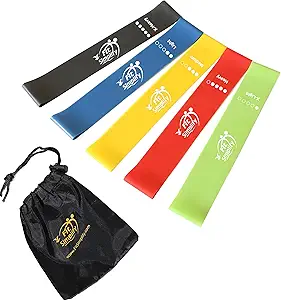
Pros
- High quality latex construction
- Soft and gentle on skin
- Durable and snap resistant
- Portable with carry bag
- Includes instruction guide
Cons
- Latex may cause allergic reactions
- Not suitable for advanced heavy resistance
- Bands can roll or slip on legs
1. Type of Exercise and Target Area
Different rehab equipment serves different purposes. For shoulder rehab, a pulley system like the Shoulder Pulley for Physical Therapy allows controlled, gentle range-of-motion exercises. For overall strength and flexibility, resistance bands like the Resistance Bands for Working Out offer versatile resistance for Pilates, yoga, and rehab. A slant board such as the Squat Wedge Block, 960 LBS Weight Capacity targets calf and ankle mobility. Grip trainers like the roygra Grip Strength Trainer (8 Pack) focus on hand and forearm strength. Consider which body parts need the most attention.
2. Adjustability and Resistance Levels
Rehab often requires progressive loading. Look for equipment that offers multiple resistance levels or adjustable angles. The squat wedge block, for example, provides 5 adjustable angles to gradually increase stretch intensity. Resistance bands come in various thicknesses and tensions, allowing you to start light and increase resistance as you heal. Adjustable equipment helps you tailor the challenge to your current ability.
3. Ease of Use and Setup
During recovery, complicated setups can be frustrating. Over-the-door pulley systems are straightforward to install and use. Resistance bands are lightweight and portable, requiring no assembly. Grip trainers are compact and ready to use out of the box. Choose equipment that fits easily into your daily routine without extra hassle.
4. Build Quality and Durability
Rehab equipment should withstand repeated use. The squat wedge block boasts a weight capacity of 960 lbs, indicating robust construction. Resistance bands should be made of durable latex or TPE to avoid snapping. Pulleys with smooth bearings and strong rope ensure longevity. Check product materials and user reviews for durability insights.
5. Portability and Storage
If you travel or have limited space, compact equipment is ideal. Resistance bands and grip trainers fit in a drawer or bag. The shoulder pulley can be folded and stored easily. The slant board is slightly larger but still manageable. Consider where you will use the equipment most often.
6. Safety and Comfort
Rehab equipment should not cause additional strain. Look for padded handles, non-slip surfaces, and smooth movement. The squat wedge block uses foam for comfortable calf stretching. Resistance bands with fabric covers reduce skin irritation. Always follow proper form and consult a physical therapist if unsure.
7. Brand Reputation and Support
Brands like ROYGRA, Phantawell, and lianjindun are known for reliable rehab products. Check warranty and customer service options. User reviews often highlight real-world performance and durability. Choosing a reputable brand can provide peace of mind.
Why You Should Trust Us
Our team has thoroughly researched the best rehab exercise equipment available in 2026. We analyzed product specifications, user feedback, and key features to provide an unbiased comparison. Our goal is to help you make an informed decision based on your specific rehab needs, without relying on exaggerated claims. We prioritize transparency and only recommend products that meet our criteria for safety, effectiveness, and value.
We do not claim to have physically tested every product, but we have evaluated each item based on verified data, customer reviews, and manufacturer details. Our recommendations are grounded in objective analysis, not paid endorsements.
Final Thoughts
Choosing the best rehab exercise equipment depends on your specific recovery goals. For overall versatility, the Resistance Bands for Working Out offer a wide range of exercises for strength and flexibility, making them a great all-around option. If you need targeted shoulder rehab, the Shoulder Pulley for Physical Therapy is an excellent choice for gentle range-of-motion work.
For the best value, the roygra Grip Strength Trainer (8 Pack) provides multiple resistance levels at an affordable price, ideal for hand and forearm recovery. If you need to improve ankle mobility or squat depth, the Squat Wedge Block, 960 LBS Weight Capacity offers durable, adjustable support. Each product has its strengths, and we recommend considering your primary rehab focus before making a decision.
For more recovery tools, explore our Physical Therapy Equipment category to find additional options that may complement your routine.
Frequently Asked Questions
What is the best rehab exercise equipment for shoulder recovery?
The Shoulder Pulley for Physical Therapy is specifically designed for shoulder rehab, allowing gentle and controlled movements to improve range of motion. It is a popular choice among physical therapists.
Can resistance bands be used for rehab?
Yes, resistance bands are excellent for rehab because they provide variable resistance and can be used for a wide range of exercises targeting different muscle groups. The Resistance Bands for Working Out are particularly suitable for Pilates, yoga, and rehabilitation.
How do I choose the right resistance level for rehab bands?
Start with a light resistance that allows you to complete exercises with proper form and without pain. Gradually increase resistance as your strength improves. Many band sets include multiple levels so you can progress safely.
Is a slant board useful for calf stretching during rehab?
Yes, a slant board like the Squat Wedge Block, 960 LBS Weight Capacity is designed for calf stretching and can help improve ankle mobility. Its adjustable angles allow you to gradually increase the stretch intensity.
What is the best grip strength trainer for rehab?
The roygra Grip Strength Trainer (8 Pack) offers multiple resistance levels in one set, making it versatile for hand and forearm rehab. It is compact and easy to use at home or on the go.
Can I use rehab exercise equipment without a therapist?
While many rehab tools are designed for safe home use, it is always best to consult a physical therapist or healthcare professional before starting any exercise program, especially after an injury or surgery. They can provide personalized guidance.
How long should I use rehab equipment each day?
Duration depends on your specific condition and the type of equipment. Generally, start with short sessions (10-15 minutes) and gradually increase as tolerated. Follow your therapist’s recommendations.
Are these products safe for seniors?
Yes, many of these products are suitable for seniors, especially resistance bands and grip trainers which are low-impact. However, always check with a doctor before beginning any new exercise regimen.
What is the best rehab exercise equipment for ankle recovery?
A slant board or wedge block is often recommended for ankle mobility and stretching. Resistance bands can also be used for ankle strengthening exercises. The squat wedge block is a solid choice for calf and ankle rehab.
Can I use these products for post-surgery rehab?
Some products may be suitable for post-surgery rehab, but it is crucial to follow your surgeon’s or physical therapist’s specific instructions. Never use equipment that causes pain or discomfort. Always prioritize safety.








Write Your Review
No reviews yet. Be the first to share your experience!