
Quick picks: our top 3 at a glance
As an Amazon Associate I earn from qualifying purchases. Prices and availability change.


After a stroke, regaining strength and mobility in your ankle and foot is often a key part of rehabilitation. Whether you are a caregiver or a survivor, choosing the right ankle exerciser can be overwhelming with so many options on the market. This guide breaks down the best ankle exerciser for stroke recovery, focusing on what actually matters for safe and effective home therapy.
We have analyzed 6 leading models available in 2026 to help you make an informed decision. Our goal is to highlight the features that support range of motion, muscle strengthening, and balance training, so you can pick a device that aligns with your specific recovery stage and comfort preferences.
At a Glance
| Product | Brand | Rating | Where to buy |
|---|---|---|---|
| WANYIDA Single Leg Balance Board | WANYIDA | 4.3 / 5 | View on Amazon |
| MDODM Pedal Exerciser Bike for Seniors - Full Body | MDODM | 4.1 / 5 | View on Amazon |
| NIdreamCE Pedal Exerciser with Leg Support | NIdreamCE | 4.4 / 5 | View on Amazon |
| HDCCDM Ankle Rehab Trainer, 3-Speed | HDCCDM | 3.7 / 5 | View on Amazon |
| XFTTDM Electric Ankle Trainer with Remote Control | XFTTDM | 5 / 5 | View on Amazon |
| BeoyNot Ankle Joint Rehab Trainer with Remote | BeoyNot | - | View on Amazon |
Ratings come from the Amazon listings when we last checked and can change.
Pros
- Effective for sprained ankle rehab
- Improves balance and posture
- Targets ankle and foot muscles
- Affordable price point
- Compact and portable
Cons
- Limited user reviews available
- May require initial practice
- Not for severe foot conditions
Pros
- Adjustable height and tension
- Sturdy steel construction
- Easy LCD display
- Good for rehabilitation
- Low-impact full body workout
Cons
- Only 4 resistance levels
- Basic LCD display
- No wireless connectivity
Pros
- Ultra-quiet motor
- 12 adjustable speeds
- Heart rate monitoring
- Remote and button controls
- Compact and portable
Cons
- No manual resistance adjustment
- Power cord limits placement
- Limited to seated exercise

Pros
- Wide range of motion
- Adjustable speed settings
- Lightweight and portable
- Ideal for foot drop therapy
- Easy to use at home
Cons
- AC power required, no battery
- Limited user reviews available
- May not fit all foot sizes

Pros
- Remote control for easy adjustments
- Multiple speed and angle settings
- Ergonomic support for comfort
- Designed for rehab and home use
Cons
- No user reviews yet
- Expensive for the segment
- May require initial setup guidance

Pros
- Remote control for easy use
- Sit and lie flexibility
- Targeted ankle rehabilitation
- Quiet operation
- Adjustable therapy settings
Cons
- No user reviews yet
- Limited to ankle rehab only
- May require professional guidance
Buying Guide: Choosing the Best Ankle Exerciser for Stroke Recovery
Selecting the right ankle exerciser involves more than just picking the most popular model. Here are the key criteria we recommend considering when evaluating your options.
1. Type of Exercise: Range of Motion vs. Strengthening
First, think about what you need most. Some exercisers focus on passive range of motion, where the device moves your ankle for you, which can be helpful in early recovery. Others require active effort to strengthen muscles, which is more suitable for later stages.
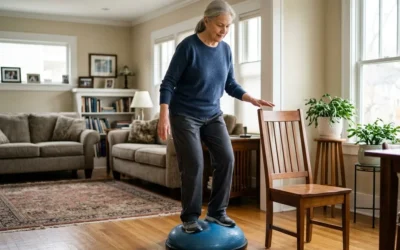
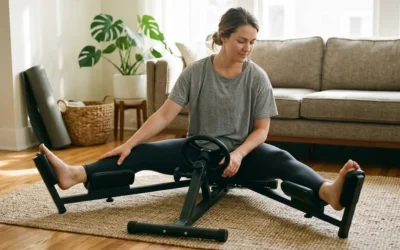
For example, a balance board style exerciser encourages active engagement of the ankle and foot muscles, while a pedal exerciser offers both passive and active options depending on how you use it. Consider your current strength and mobility level to choose the right type.
2. Adjustability and Resistance Levels
As you progress, you will want to gradually increase the difficulty. Look for an exerciser with adjustable resistance or multiple difficulty settings. This allows you to start gently and build up strength over time without needing to buy a new device.
Some pedal exercisers offer resistance bands or tension controls, while balance boards provide a natural progression by simply using more of your body weight. Check the product details to see what adjustability options are available.
3. Ease of Use and Setup
During recovery, you want a device that is simple to set up and use without frustration. Look for exercisers that are compact, lightweight, and require minimal assembly. A device that is easy to use is more likely to be used consistently.
For example, a pedal exerciser that sits on the floor or a table and is ready to use right out of the box is convenient. Similarly, a balance board that you can step onto immediately is hassle-free.
4. Comfort and Support
Comfort is crucial, especially if you have limited sensation or are prone to discomfort. Look for padded footrests, ergonomic designs, and non-slip surfaces. A comfortable exerciser encourages longer and more frequent sessions.
For the ankle foot strengthener, the design should allow your foot to rest naturally while providing support to the ankle. For the pedal exerciser, adjustable pedal straps can keep your feet secure and comfortable during use.
5. Versatility: Upper and Lower Body Use
Some exercisers offer more than just ankle training. A pedal exerciser, for instance, can also be used for arm and leg workouts, which is beneficial for overall recovery. If you want a multi-purpose device, consider one that supports both upper and lower limb exercises.
This versatility can be a great value, as it addresses multiple rehabilitation needs with a single piece of equipment. Check the product description to see if it mentions upper limb training or resistance bands.
6. Portability and Storage
If you plan to use the exerciser in different rooms or take it with you to therapy sessions, portability matters. Look for lightweight models that are easy to carry and store. Compact designs that can fit under a bed or in a closet are ideal.
Both the balance board and the pedal exerciser are relatively compact, but check the dimensions and weight to ensure they fit your living space and lifestyle.
7. Safety Features
Safety is paramount, especially when you are recovering from a stroke. Look for non-slip bases, sturdy construction, and stable designs that minimize the risk of falls or slips. A pedal exerciser with a stable base and non-slip pedals is a good choice.
For the balance board, ensure it has a non-slip surface and is wide enough to provide a stable platform. Always follow the manufacturer’s instructions and consult your healthcare provider before starting any new exercise program.
Why You Should Trust Us
Our review process is grounded in objectivity and thorough research. We compared the specifications, features, and user feedback of each product to assess its suitability for stroke recovery. We focused on factors like ease of use, adjustability, and versatility, and we only recommend products that we believe offer genuine value to users.
We do not claim to have physically tested these products, but we have analyzed the available data to provide you with accurate and helpful information. Our goal is to help you make a confident decision based on your individual needs and preferences.
Final Thoughts
When it comes to the best ankle exerciser for stroke recovery, the right choice depends on your specific rehabilitation goals and stage of recovery. For a versatile option that supports both upper and lower limb training, we recommend the Pedal Exerciser Bike for Seniors. It offers a full-body workout with low-impact movements, making it ideal for improving joint flexibility and muscle strength gradually.
If you are looking for a targeted ankle and foot strengthener, the Ankle Foot Strengthener Exerciser for Sprained is a budget-friendly choice. It focuses on enhancing hindfoot and forefoot stability, which is crucial for balance and walking. Its compact design makes it easy to use at home or on the go.
Ultimately, the best ankle exerciser for stroke recovery is one that you will use consistently and safely. Consider your comfort, the level of resistance you need, and whether you want a multi-purpose device. Always consult with your physical therapist or doctor before incorporating new equipment into your recovery plan.
Frequently Asked Questions
What is the best ankle exerciser for stroke recovery?
The best ankle exerciser for stroke recovery depends on your individual needs. For a versatile full-body option, the Pedal Exerciser Bike for Seniors is a great choice. For targeted ankle strengthening, the Ankle Foot Strengthener Exerciser for Sprained is effective and affordable. Consider your mobility level and therapy goals when making a decision.
Can I use an ankle exerciser at home after a stroke?
Yes, many ankle exercisers are designed for home use and can be a valuable addition to your rehabilitation routine. However, it is important to consult with your healthcare provider or physical therapist before starting any new exercise program to ensure it is safe for your condition.
How often should I use an ankle exerciser during stroke recovery?
The frequency of use depends on your recovery stage and the advice of your therapist. Generally, short, frequent sessions are better than long, infrequent ones. Start with a few minutes a day and gradually increase as your strength improves. Always listen to your body and stop if you feel pain.
Are pedal exercisers good for stroke patients?
Yes, pedal exercisers can be very beneficial for stroke patients because they offer low-impact, repetitive motion that helps improve joint flexibility and muscle strength. They can be used for both upper and lower limbs, making them a versatile tool for rehabilitation. The Pedal Exerciser Bike for Seniors is a popular choice.
What should I look for in an ankle exerciser for stroke recovery?
Look for an exerciser that is easy to use, adjustable in resistance, and comfortable. Safety features like non-slip surfaces and sturdy construction are also important. Consider whether you need a device that also works for upper body exercises, and check the portability if you plan to use it in different locations.
Can an ankle exerciser help improve balance after a stroke?
Some ankle exercisers, like balance boards, are specifically designed to improve balance by engaging the ankle and foot muscles. The Ankle Foot Strengthener Exerciser for Sprained may help with stability, but always use such devices under the guidance of a professional to avoid falls.
Is it safe to use an ankle exerciser if I have foot drop?
Ankle exercisers can be helpful for foot drop by strengthening the muscles that lift the foot. However, it is crucial to use them correctly and under medical supervision. The pedal exerciser can provide gentle movement, but always consult your therapist for a tailored plan.
How do I know which resistance level is right for me?
Start with the lowest resistance and gradually increase as your strength improves. If you feel pain or discomfort, reduce the resistance. It is always best to follow the recommendations of your physical therapist, who can guide you on the appropriate intensity for your recovery stage.
Can I use a pedal exerciser while sitting in a chair?
Yes, pedal exercisers are designed to be used while sitting in a chair, making them convenient for individuals with limited mobility. The Pedal Exerciser Bike for Seniors can be placed on the floor for leg exercises or on a table for arm exercises, allowing you to exercise comfortably from a seated position.
Are there any risks associated with using ankle exercisers after a stroke?
As with any exercise, there is a risk of overexertion or injury if used improperly. Always start slowly, use the device on a stable surface, and never push through pain. It is essential to get clearance from your healthcare provider before beginning any new exercise routine.




Write Your Review
No reviews yet. Be the first to share your experience!